How India became a rice powerhouse and why it’s becoming a problem
Summary
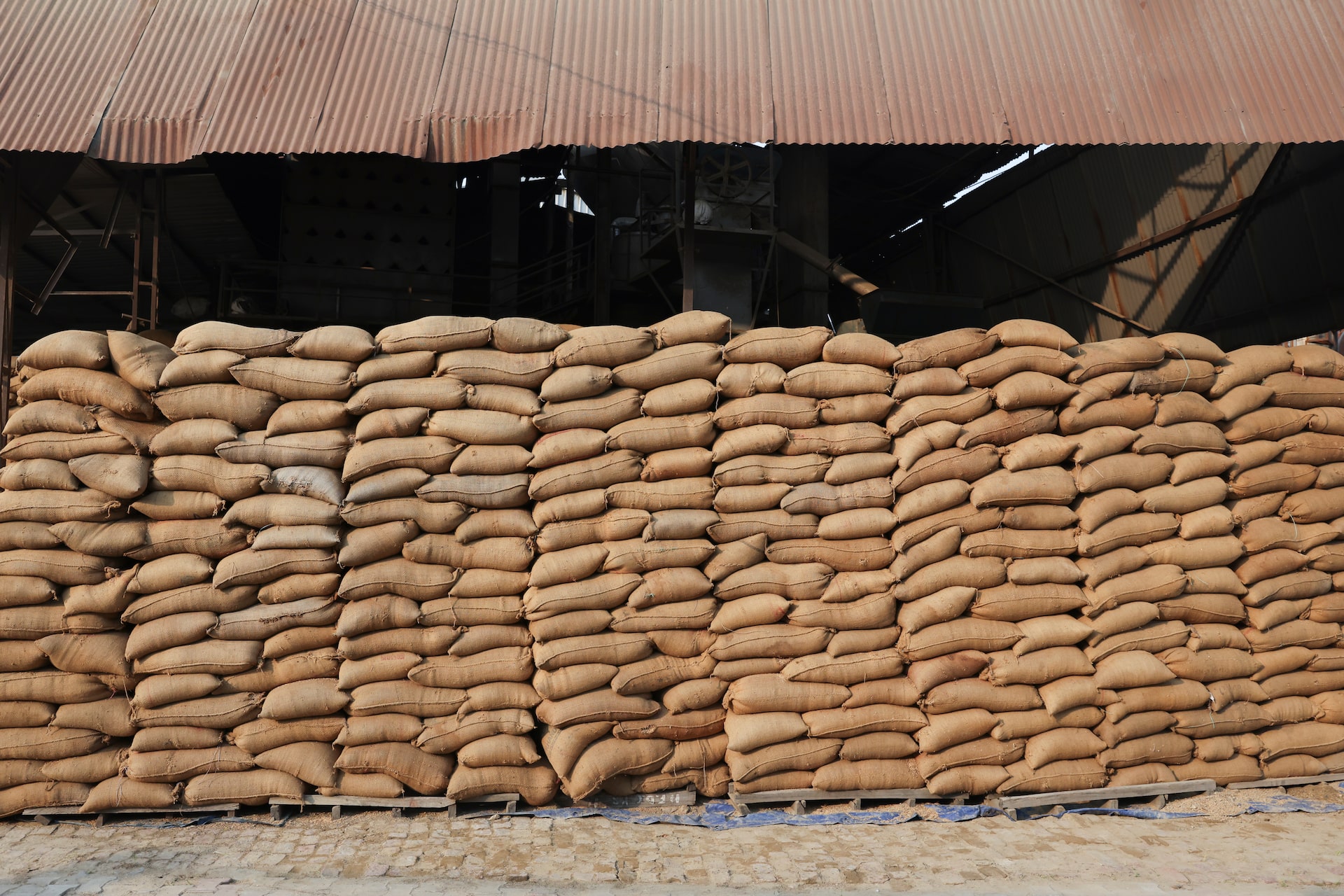
India’s rice boom has turned it into a global export powerhouse, but rising subsidies and state bonuses are driving up government costs and creating huge stockpiles. Officials are now under pressure to curb incentives, as surplus rice strains storage, groundwater and trade relations with competing exporters.
Key Points
- India’s rice output has surged by 50 percent in a decade, making the country a major exporter and accounting for about 40 percent of global rice trade.
- The federal government is increasingly worried about the cost of rice subsidies, which make up more than two-thirds of its food subsidy bill.
- State-level bonuses have encouraged even more rice cultivation, worsening surplus stocks and adding pressure on storage and groundwater.
- The surplus has triggered trade tensions with countries including the United States, Thailand and Vietnam, which say Indian rice is undercutting competitors.