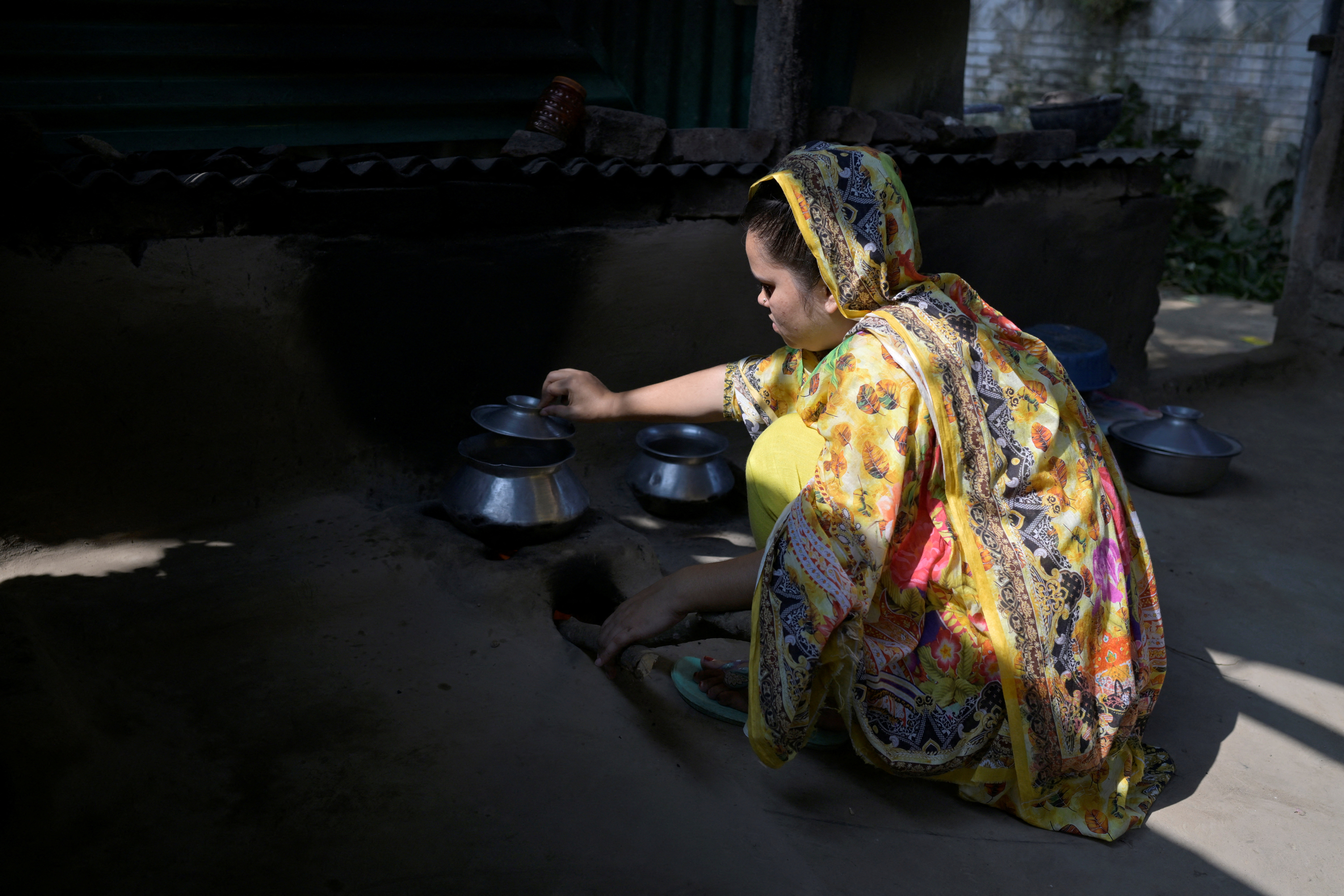
Behind Bangladesh’s garment boom, workers cut food, healthcare as wages fall short
Summary
Bangladesh’s garment workers are protesting low pay as rising prices force them to cut food, healthcare and education spending. Factory unrest has shut hundreds of plants while the government weighs a revised wage structure.
Key Points
- Garment workers in Bangladesh have demanded a minimum monthly wage of 30,000 taka, up from 12,500 taka, as living costs surge.
- Protests and clashes with police last week forced hundreds of factories to shut down and prompted a government response on wages.
- The garment industry remains central to Bangladesh’s economy, but workers say their pay has not kept pace with inflation and basic expenses.
- Many workers are cutting food, delaying medical care and pulling children out of school to manage household budgets.