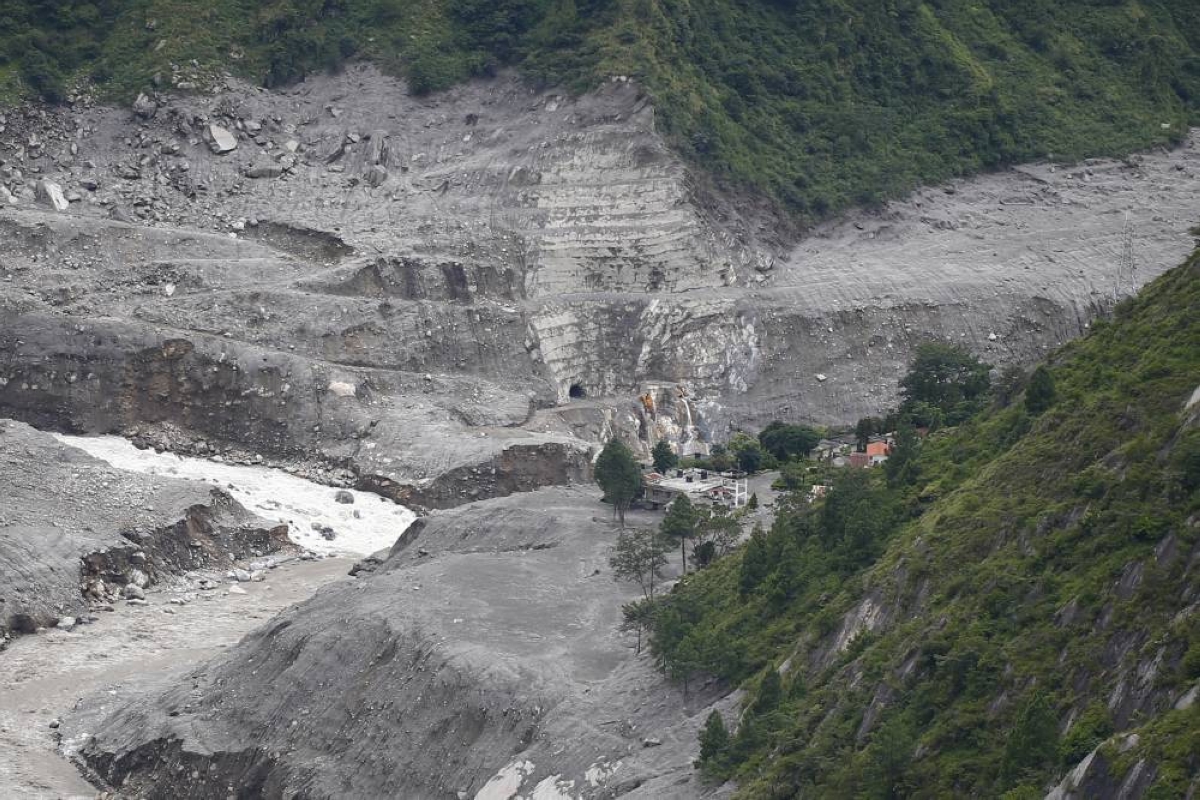
Beyond hydropower: Rethinking Nepal's energy security after the Bhotekoshi disaster
Summary
The Bhotekoshi disaster has exposed weaknesses in Nepal’s energy strategy, damaging hydropower and transmission infrastructure and underscoring the need for a more diversified, climate-resilient power system. The article argues for greater use of solar, battery storage, pumped storage and regional electricity trade to strengthen supply reliability and support industrial growth.
Key Points
- The Bhotekoshi disaster damaged 13 hydropower projects, five solar projects and key transmission infrastructure in Nepal’s Bhotekoshi-Trishuli corridor.
- NEA projects a dry-season electricity gap of about 1,154 MW and plans to import power from India to bridge the shortfall.
- The article calls for a more diversified energy mix, including solar, battery storage, pumped-storage hydropower and stronger cross-border trade.
- It argues that Nepal should use renewable energy to drive industrial development, EV-related industries and broader economic transformation.