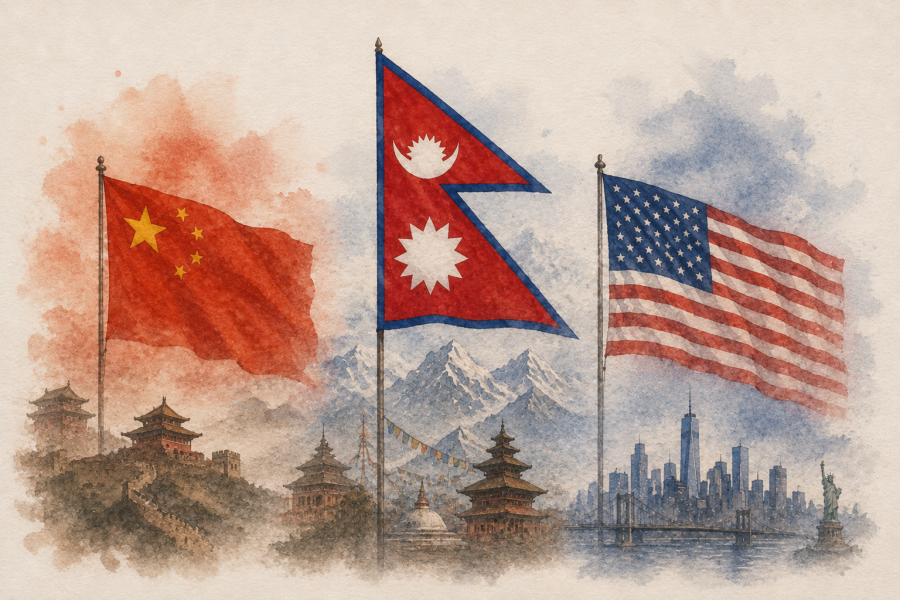
Opinion | Why passive neutrality won’t take Nepal anywhere
Summary
Nepal’s location between the United States and China is increasing the need for stronger deterrence, better governance and tighter coordination between foreign and security institutions. The article argues that Nepal should move beyond passive neutrality and adopt resilient neutrality to protect its sovereignty and strategic interests.
Key Points
- Nepal’s strategic location amid US-China competition requires a credible deterrence posture built on institutions, governance and diplomacy rather than military buildup.
- The Ministry of Foreign Affairs has a legal mandate to play a central role in Nepal’s national security architecture, but policy disconnects continue to limit inter-agency coordination.
- Nepal’s peacekeeping experience has generated soft power, yet it remains underused for broader diplomatic, economic and development gains.
- The article says Nepal should move beyond passive neutrality and strengthen non-alignment through resilient neutrality and stronger state capacity.