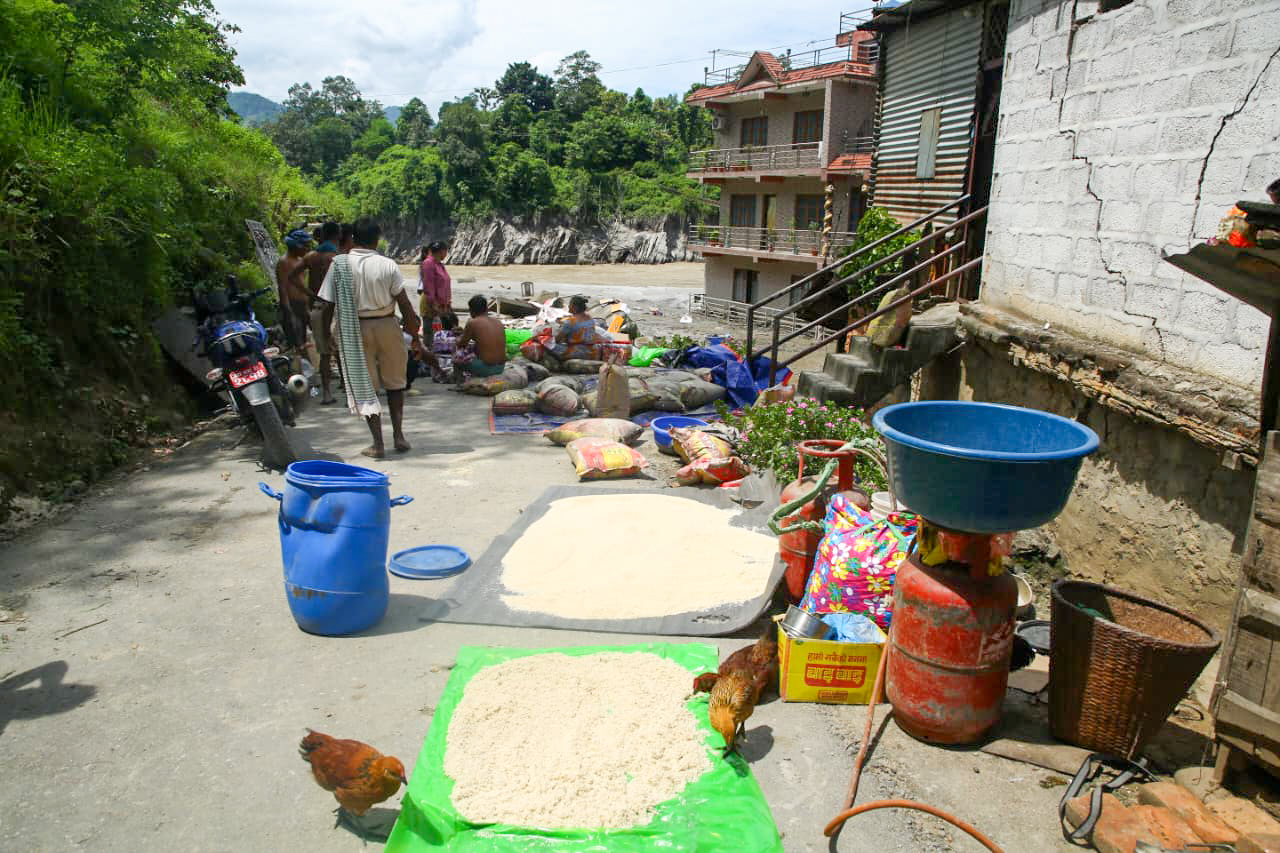
Opinion | Rasuwa flash floods recede, health risks loom
Summary
Rasuwa’s flash floods have receded, but displaced residents still face serious risks of cholera, diarrhoea, respiratory infections and mosquito-borne diseases. Public health officials have begun monitoring holding centres and distributing cholera vaccines as damaged water and sanitation systems remain a major concern.
Key Points
- The Rasuwa flash flood has left more than 1,400 people dead and more than 6,000 missing or out of contact, with displaced populations now facing health threats.
- Waterborne diseases such as cholera, typhoid, hepatitis A and E, leptospirosis and diarrhoea remain a concern because drinking water in affected areas may be contaminated.
- Respiratory infections are spreading risks in crowded holding centres, while dengue and Japanese encephalitis may rise because of standing water and post-flood conditions.
- The government has started preventive monitoring and cholera vaccination, but the article warns that health risks may persist until water, sanitation and health systems are restored.