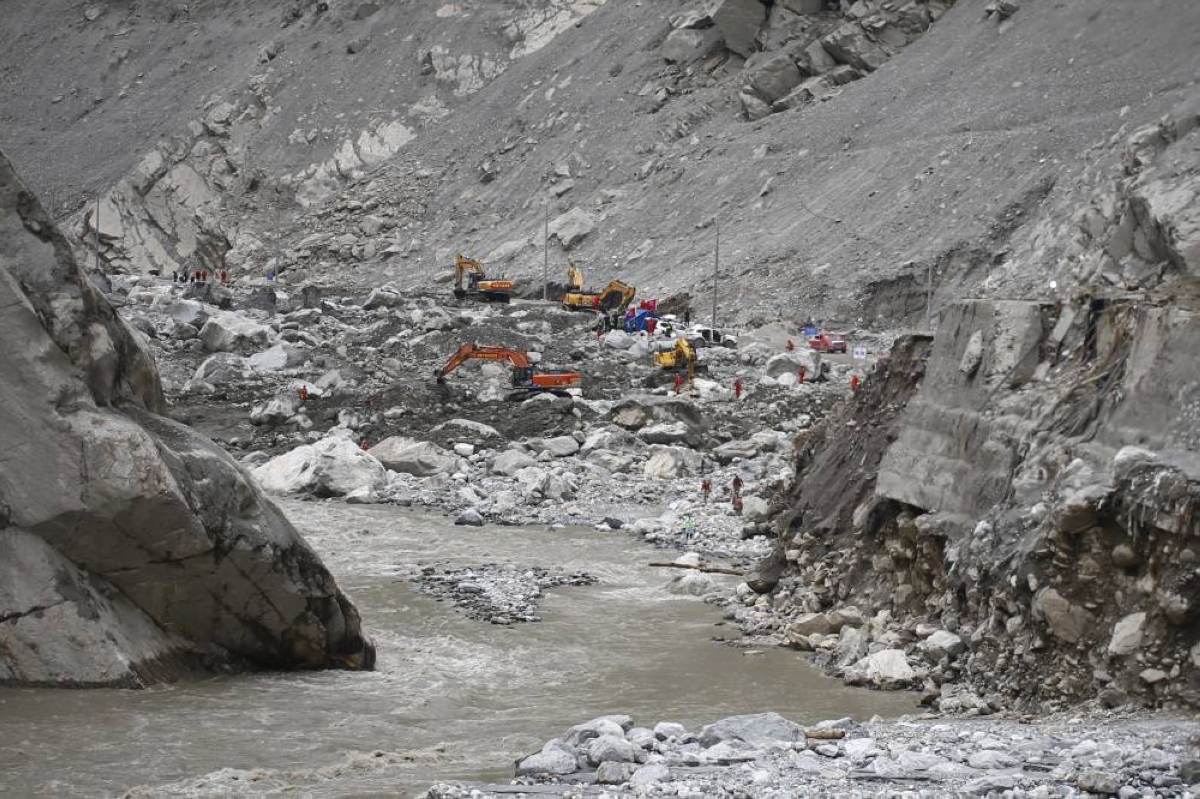
Rethinking disaster risk in Nepal: What will we do differently before the next natural hazard?
Summary
Nepal must shift from disaster response to risk-sensitive planning that prevents natural hazards from becoming human disasters. The article calls for integrated river basin authorities, better land-use decisions, and stronger use of science in development policy.
Key Points
- Natural hazards are inevitable in Nepal, but disasters become severe when exposure, vulnerability, and poor planning turn them into human losses.
- The article argues that risk information should guide where settlements, roads, hydropower plants, bridges, schools, and other infrastructure are built.
- Early warning and emergency response are necessary, but they cannot replace prevention, preparedness, and risk reduction.
- The author urges integrated river basin authorities and stronger coordination across federal, provincial, and local levels.