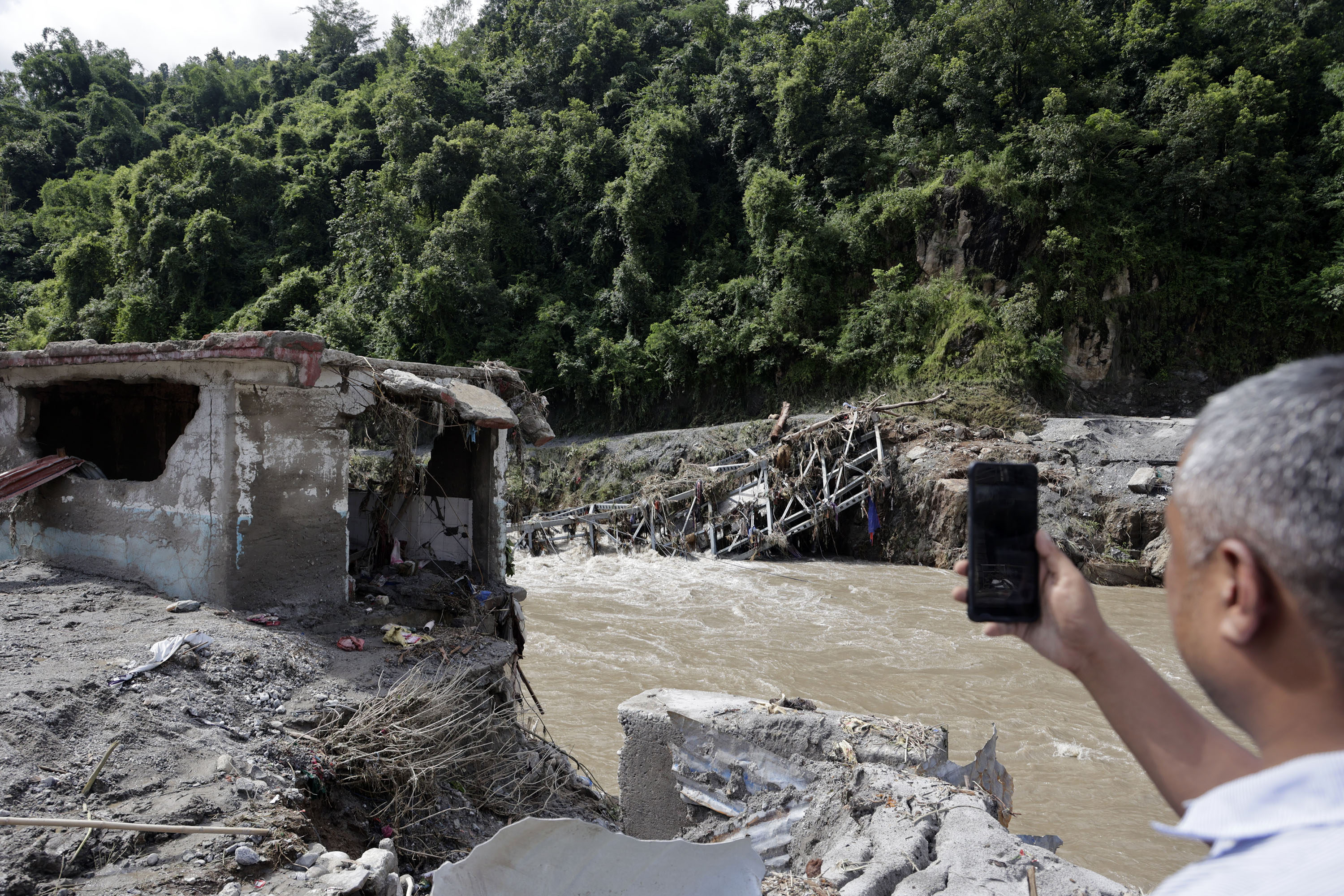
Opinion | When a glacier collapses across a border, what does international law say?
Summary
A devastating flash flood across the Nepal-China border has renewed questions about how international law handles transboundary natural disasters. The piece argues that states have duties of due diligence, cooperation and disaster response as glacier collapse and climate risks grow in the Himalayas.
Key Points
- A flash flood across the Nepal-China border has highlighted the legal and humanitarian consequences of transboundary glacier disasters.
- International law generally does not treat natural disasters as acts of state, but it does impose duties of due diligence, cooperation and prevention of foreseeable harm.
- The article cites key environmental law principles and international court rulings to argue that states must take reasonable measures such as monitoring, early warning and scientific risk assessment.
- It also warns that the Himalayas lack a strong regional legal framework for glacier monitoring, transboundary climate risks and disaster response.