Opinion | Shared responsibility
Summary
A catastrophic flood in Nepal and Tibet has killed hundreds and highlighted how disasters are shaped by climate, governance, and social vulnerability. The piece argues for shared responsibility, community authority, and long-term preparedness rather than short-term response alone.
Key Points
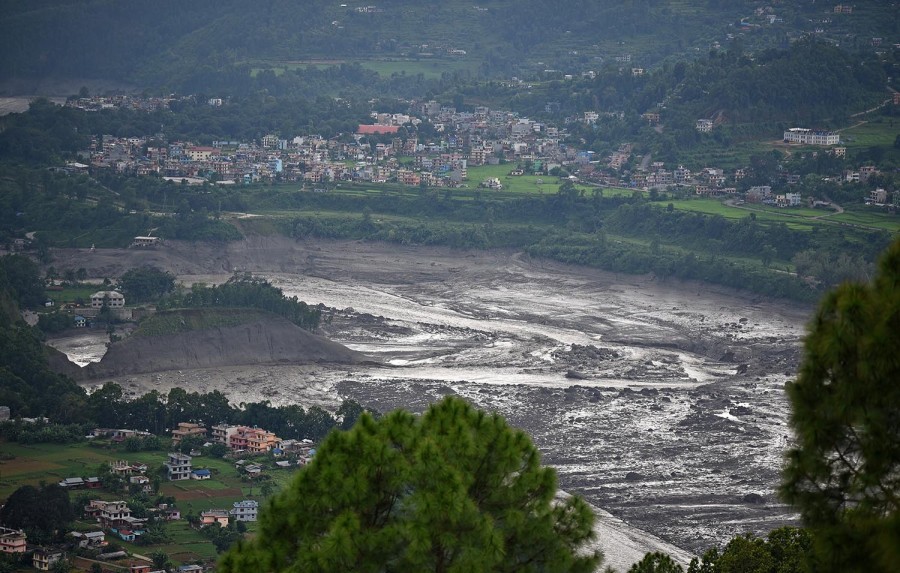
- A massive flood in the Himalayas devastated river valleys across Nepal and Tibet, killing hundreds and damaging villages, towns and infrastructure.
- The article argues that disasters become human catastrophes when ecological, social, economic and governance failures interact.
- Research from Nepal’s 2015 earthquake shows communities need authority, funding and long-term support, not just outside consultation.
- The author says resilience depends on relationships, local knowledge, accountable institutions and shared responsibility across governments, researchers and NGOs.