Opinion | When disaster strikes before communities recover from previous climate extremes, crisis escalates
Summary
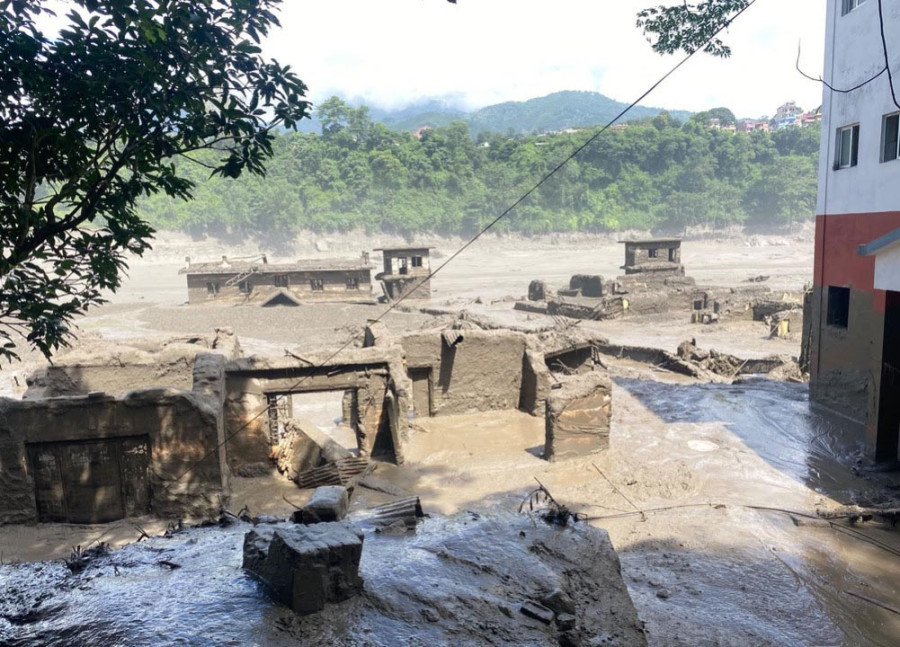
Flash floods on the Nepal-Tibet border have destroyed homes, roads, bridges and hydropower projects, affecting about 50,000 residents and leaving more than 100 people dead or missing. The opinion piece argues that repeated disasters hit hardest when communities have not yet recovered from earlier climate extremes, creating a widening recovery gap.
Key Points
- Major flash floods on the Nepal-Tibet border have destroyed homes, roads, bridges and hydropower projects and are affecting about 50,000 residents.
- The article argues that disaster risk depends not only on the next hazard’s severity but also on how much recovery time communities have before another event strikes.
- Examples from Nepal, Sri Lanka and the US show that incomplete recovery can deepen losses, weaken infrastructure and leave households more vulnerable to the next disaster.
- It calls for governments to measure recovery more broadly, strengthen infrastructure and plan for sequential disasters rather than assuming each event starts from zero.