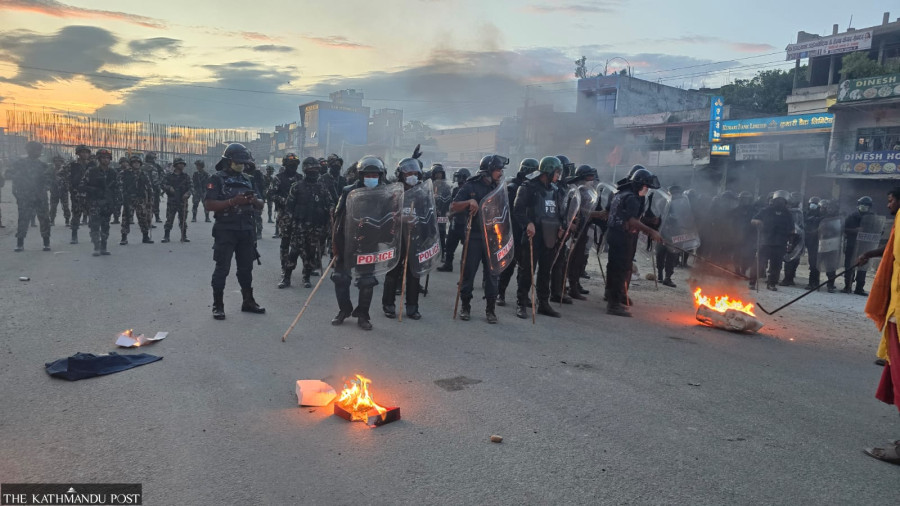
Nepal’s federal security gap: Provinces have constitutional authority, CDOs exercise real power
Summary
Nepal’s provincial governments hold constitutional authority over peace and security, but Chief District Officers continue to control curfews, police deployment and crisis response under an outdated legal framework. The gap has exposed how federalism remains incomplete, with provinces left responsible without real command power.
Key Points
- Chief District Officers in Sunsari, Morang, Dhanusha and Siraha made key security decisions including curfews and restrictions after tensions and violence escalated.
- Provincial internal affairs ministries are constitutionally responsible for peace and security, but they are largely sidelined because CDOs report to the federal Home Ministry.
- Critics say the Local Administration Act, 1971 still governs district security even though the 2015 Constitution assigns policing and peace and security to provinces.
- Officials and analysts argue that Nepal’s federal transition remains incomplete because provinces have responsibility without corresponding authority over policing and security.