Tharu climate resilience: It comes from deep ecological knowledge
Summary
The Tharu community in Nepal demonstrates climate resilience through deep ecological knowledge embedded in traditional practices such as sustainable grain storage and use of indigenous crops and wild foods, offering valuable lessons for adaptation in changing environments.
Key Points
- Tharu community in Sudurpaschim Province uses traditional ecological knowledge to adapt to climate change impacts like floods and droughts.
- Traditional grain storage practices such as deheri and kudli effectively protect food grains from pests and moisture, aiding disaster preparedness.
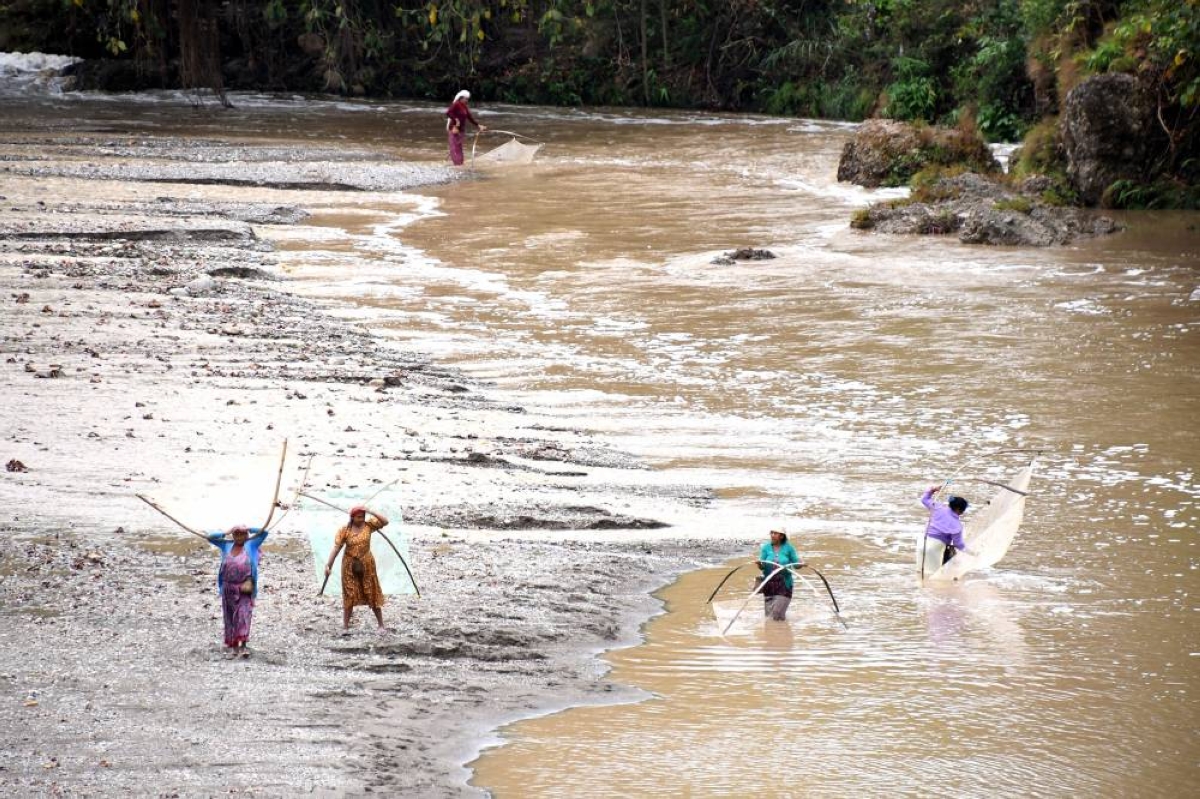
- Wild edibles and indigenous fish species are important for nutrition security and cultural identity among the Tharu.
- Local crop varieties like Anadi rice and Tharu aalu provide resilience against climate stresses compared to commercial hybrids.