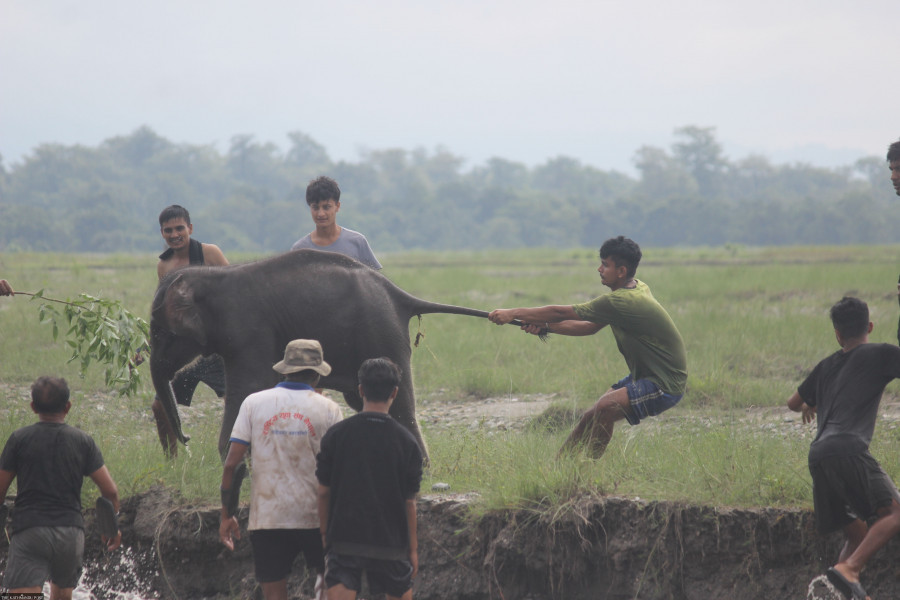
Opinion | Human-wildlife conflict or human-human conflict?
Summary
Tragic encounters between people and wildlife in Nepal highlight that conflicts are rooted in conservation policies rather than wildlife behavior, emphasizing the need for political solutions over ecological fixes.
Key Points
- Recent fatal and damaging wildlife incidents in Nepal illustrate the severity of human-wildlife conflicts.
- The term ‘human-wildlife conflict’ misrepresents these incidents, which are actually political conflicts driven by conservation policies.
- Protected wildlife populations have increased due to government and international conservation efforts, leading to more frequent human-wildlife encounters.
- Addressing these conflicts requires focusing on governance, accountability, and justice rather than solely ecological solutions.