DNA Analysis Reveals Ancient British Burial Was a Woman, Not a Man
Summary
DNA analysis reveals that a 4,000-year-old skeleton in Britain previously thought to be male was actually female, challenging old assumptions about women's roles in ancient societies.
Key Points
- DNA analysis confirmed that the 4,000-year-old skeleton from Upton Lovell, Britain, was female, not male.
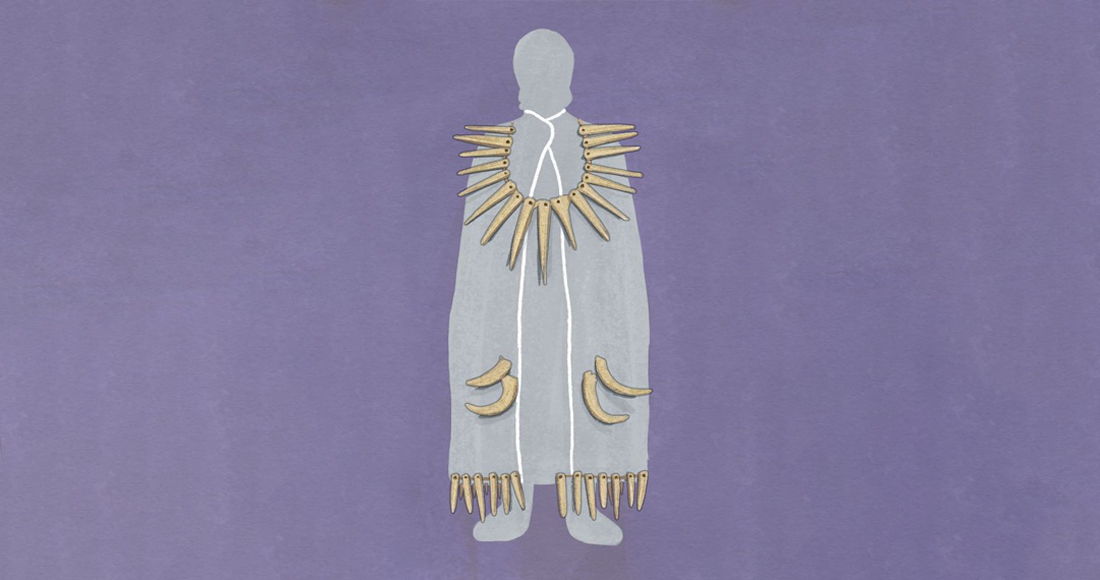
- The skeleton was found in a high-status Bronze Age tomb with rare artifacts, indicating the individual was a skilled metal craftsman.
- This discovery challenges the assumption that valuable female burials were of wives of influential men.
- The woman was about 5 feet 4 inches tall, older, and her bones resembled male traits, which led to initial misidentification.
- The findings are part of the Ancient Human Genome Sequencing Project and featured in an exhibition at the Francis Crick Institute.