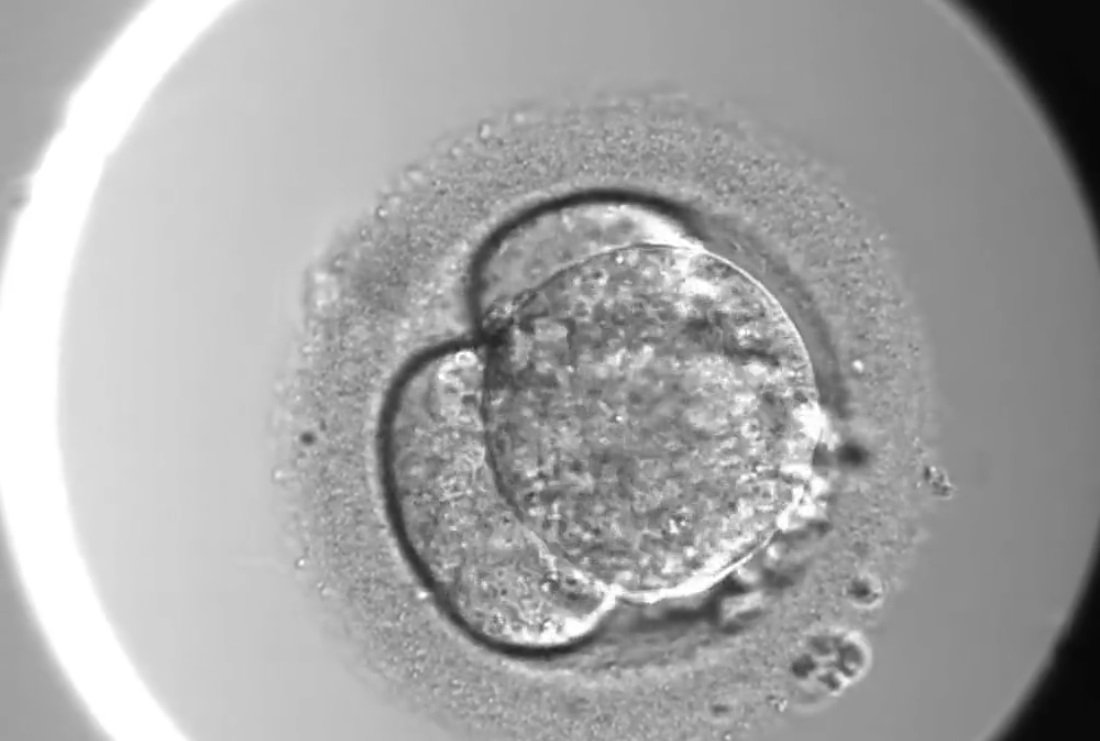
Human Embryo Gene Editing Shows Promise, Faces Ethical Hurdles
Summary
Recent studies demonstrate that base editing can precisely modify human embryo DNA, enhancing potential to prevent hereditary diseases, though safety and ethical challenges remain.
Key Points
- Human embryo gene editing using base editing has shown improved precision over previous methods like CRISPR-Cas9.
- The new studies targeted genes such as NANOG, PCSK9, and HBG to understand and treat genetic conditions.
- Base editing reduces unintended DNA damage by changing a single DNA base without cutting DNA strands.
- Significant challenges remain, including mosaicism and off-target effects, delaying clinical applications of embryo gene editing.