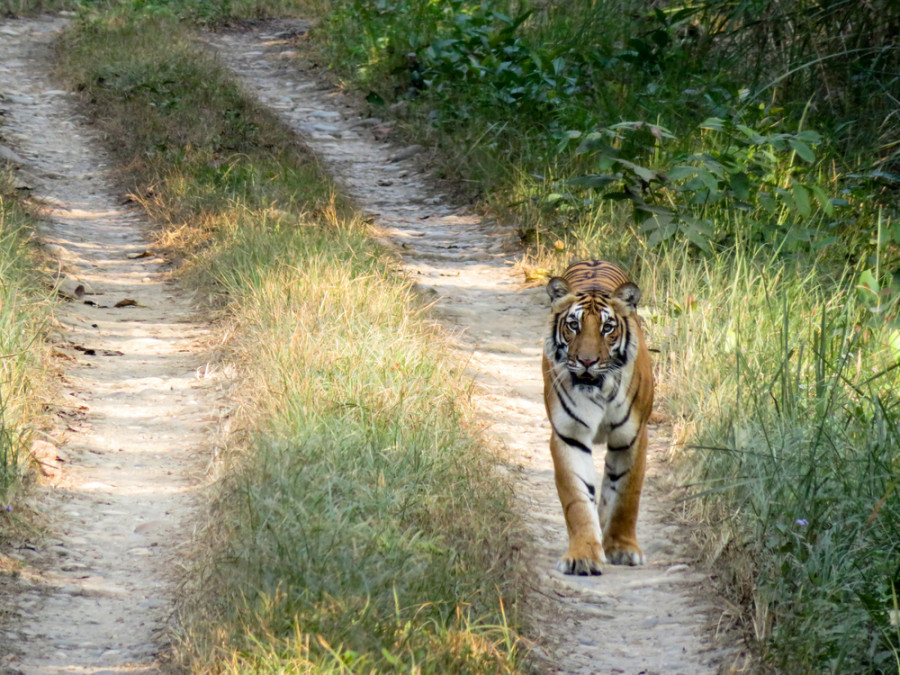
Opinion | Human-wildlife conflict or human-human conflict?
Summary
In Nepal, what is termed human-wildlife conflict often reflects deeper political and social conflicts driven by conservation policies that prioritize wildlife protection at the expense of local communities' livelihoods and safety.
Key Points
- Incidents involving wildlife such as elephants, snow leopards, and monkeys have caused damage and casualties in Nepal, commonly described as 'human-wildlife conflicts'.
- The term 'human-wildlife conflict' misrepresents the issue because wildlife does not act with intent; the real conflict arises from government conservation policies that restrict local actions against wildlife.
- Local communities bear disproportionate costs from conservation policies yet have minimal political influence, leading to tensions between them and conservation authorities.
- Effective solutions require acknowledging these as human-human conflicts over conservation governance and addressing political and social dimensions rather than solely ecological fixes.