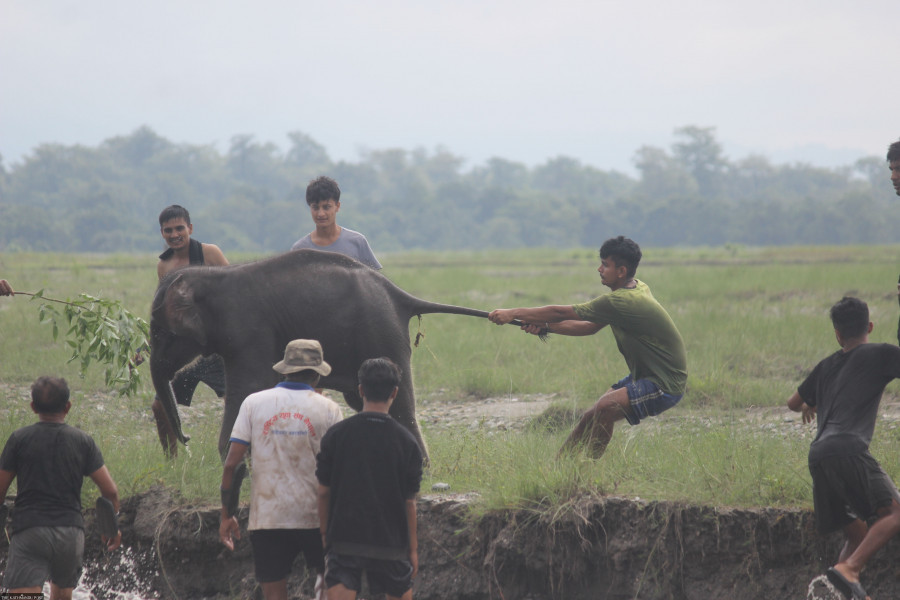
Opinion | The myth of compensation for wildlife-related damages
Summary
Farmers in Nepal face growing losses from wildlife such as monkeys and elephants, with current government compensation schemes proving insufficient and slow. Despite global interest in conservation, local communities bear the brunt of costs and risks with little support, raising questions about justice and the sustainability of compensation policies.
Key Points
- Farmers across Nepal are increasingly impacted by wildlife destroying crops, livestock, and property, causing safety risks and economic harm.
- The government provides partial compensation for wildlife-related damages, but the process is slow, capped, and inaccessible to many victims.
- Estimated wildlife-induced losses far exceed government compensation capacity, raising challenges about funding and sustainability.
- The article critiques current compensation as inadequate and calls for broader governance and justice considerations in conservation policies.
- There is a call for the international community to recognize and share the costs of wildlife conservation.