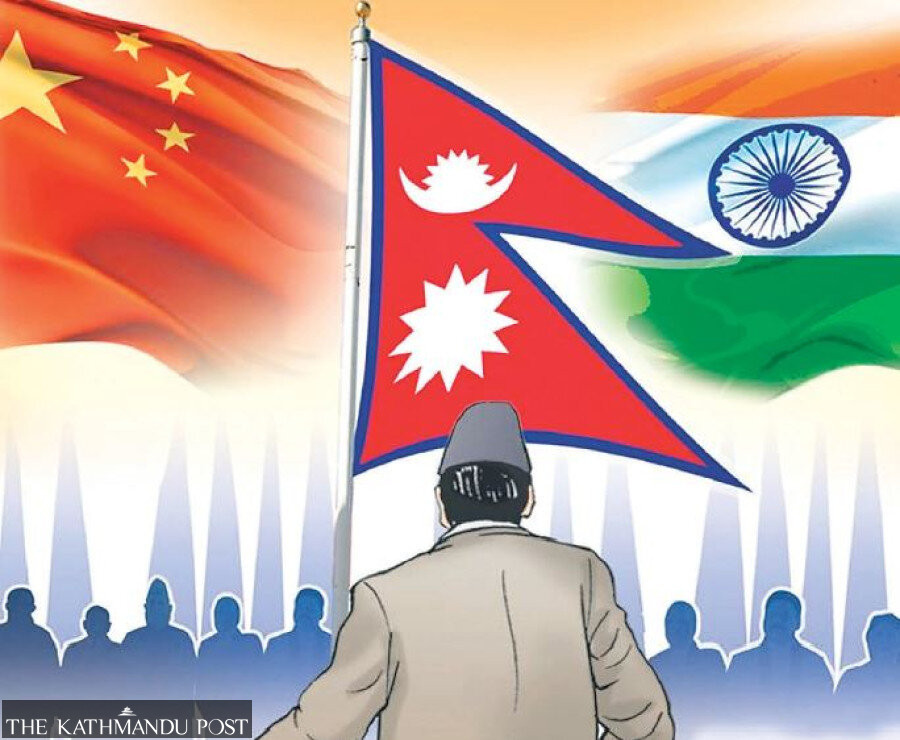
Government calls Nepal a ‘buffer state’. Foreign policy experts disagree
Summary
The Nepal government described the country as a 'buffer state' between India and China aiming to become a 'vibrant bridge,' but foreign policy experts question this terminology's relevance to current geopolitical realities.
Key Points
- The Nepal government labelled Nepal as a 'buffer state' aiming to be a bridge between India and China.
- Foreign policy experts dispute the term 'buffer state' as outdated and misrepresentative of Nepal's geopolitical position.
- Critics argue the terms 'equidistance' and 'equi-proximity' used in Nepal's foreign policy framework are jargons that don't reflect reality.
- Historical context shows leaders like King Birendra rejected 'buffer state' and preferred viewing Nepal as a connector of civilizations.