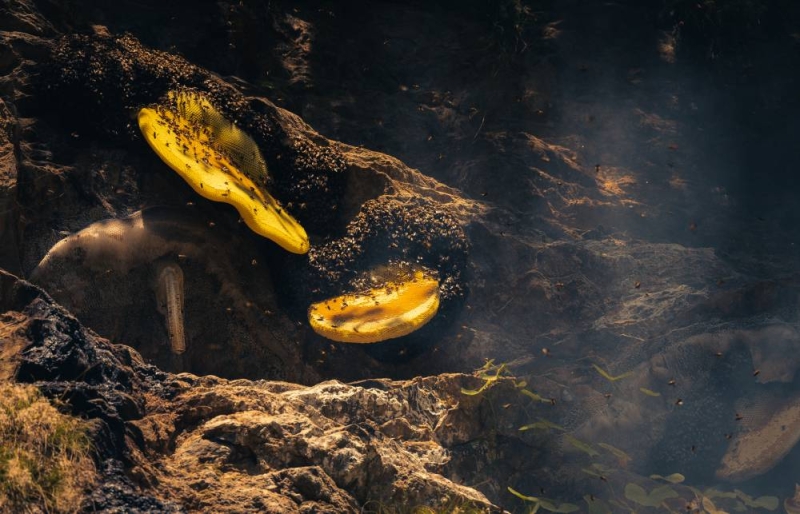
Westerners are embracing 'Mad Honey' - with little knowledge about health and ecological impacts
Summary
Western media personalities have popularized 'mad honey,' a toxic honey from Nepal containing grayanotoxins, leading to health incidents amid rising recreational use driven by social media, despite its traditional medicinal importance and ecological risks.
Key Points
- Mad honey contains grayanotoxins from rhododendrons, causing neurological and cardiovascular toxicity in humans.
- Western media creators have popularized mad honey, increasing recreational use and health emergencies outside traditional Nepalese contexts.
- Mad honey has traditional medicinal uses among Indigenous Himalayan communities but poses health risks due to varying potency and lack of regulation.
- Historical use of mad honey includes warfare in ancient times; current scientific understanding reveals its toxic effects on nerve cells and heart function.