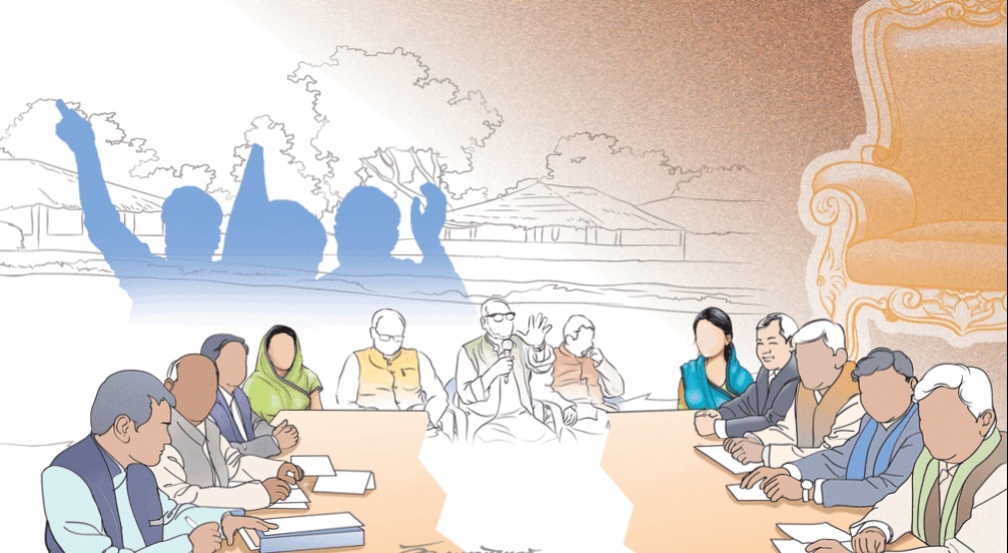
Opinion | Political culture and policymaking
Summary
Nepal's political culture remains leader-centric and transactional, hindering evidence-based policymaking and federal governance, despite democratic transitions and calls for reform.
Key Points
- Nepal's political culture is characterized by leader-centric, hierarchical, and transactional attitudes that hinder effective policymaking.
- Federalism in Nepal is weakened by political incentives and patronage, limiting local governance empowerment.
- Bureaucratic practices reflect political culture with appointments influenced by proximity to power, reducing innovation and morale.
- Younger generations and local governments are showing signs of change through participatory planning and calls for transparency.
- Political reforms require shifting from symbolism to responsibility, democratizing party structures, and fostering evidence-based policies.