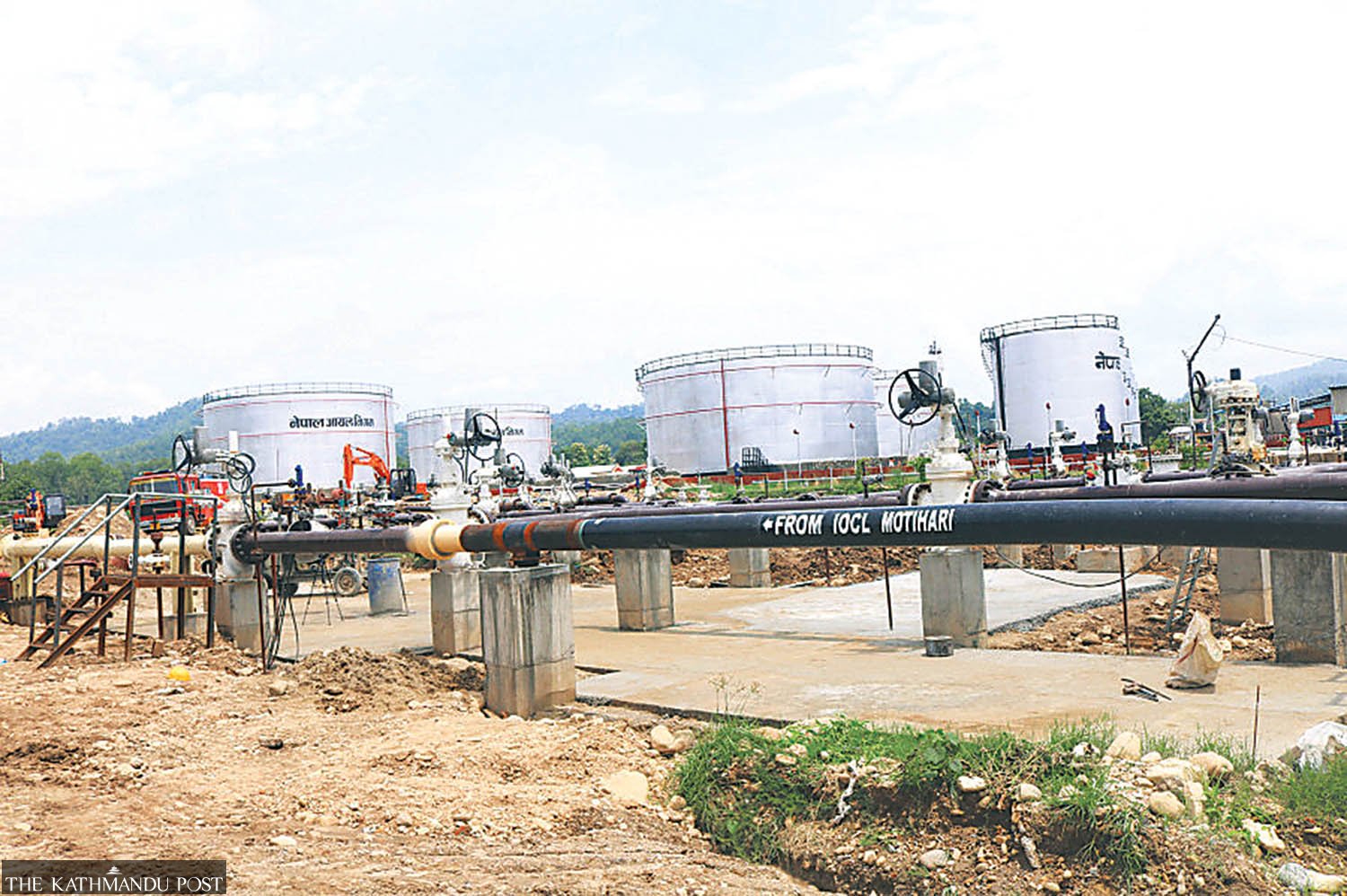
Nepal’s fossil fuel push clashes with its clean energy ambitions
Summary
Nepal is expanding petroleum pipeline and storage infrastructure even as it pledges a shift to clean energy and net-zero emissions by 2045. Experts warn the new fossil fuel investments could lock the country into long-term dependence on imported petroleum and slow the transition to hydropower and electric mobility.
Key Points
- Prime Minister Balendra Shah and Narendra Modi virtually laid the foundation stone for a petroleum terminal in Jhapa and discussed a pipeline link from Siliguri to Charali.
- Experts say new petroleum, gas and storage infrastructure could undermine Nepal’s clean energy goals and divert resources from transmission and distribution upgrades.
- Nepal has pledged net-zero emissions by 2045 and aims to develop 30,000 megawatts of electricity by 2035, with electric mobility and electric cooking central to the plan.
- Hydropower damage from the Bhotekoshi floods and rising petroleum imports underscore the country’s energy and climate challenges.