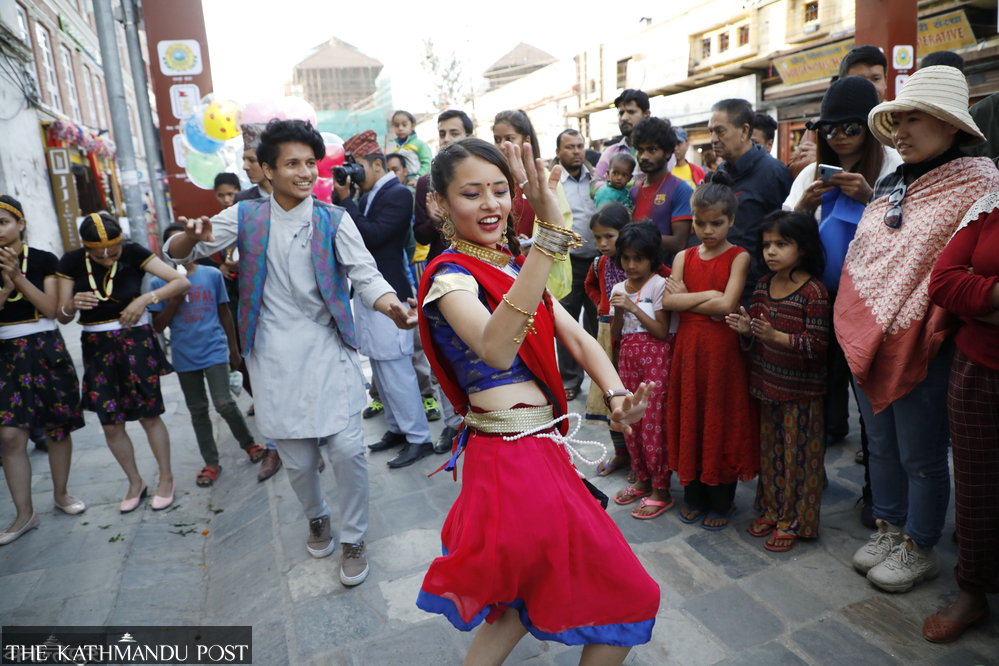
From traditional songs to modern celebrations, Tihar is changing with the times and a new generation
Summary
Tihar celebrations are shifting from traditional Deusi-Bhailo performances and village customs to modern music, digital habits and eco-friendly practices. Younger Nepalis are also questioning social inequalities and the pressures hidden within the festival’s traditions.
Key Points
- Deusi-Bhailo performances are increasingly using sound systems, electronic drums and recorded songs instead of traditional instruments and original verses.
- Urbanisation, modern housing and digital entertainment have reduced old Tihar customs such as plastering homes with kamero and rato mato or playing dandi-biyo.
- The festival is expanding beyond Nepal as Nepali diaspora communities celebrate Tihar around the world.
- Younger generations and activists are pushing for more sustainable celebrations and are questioning class, caste and other inequalities tied to tradition.