Opinion | Why Kathmandu is drinking blind
Summary
Kathmandu Valley’s groundwater is being depleted faster than it can be understood, leaving hospitals, municipalities and households increasingly dependent on tanker water and failed borewells. The article argues that airborne electromagnetic surveying and better borehole data are needed to map aquifers, protect recharge zones and secure drinking water before more wells run dry.
Key Points
- All three deep borewells at Tribhuvan University Teaching Hospital in Maharajgunj ran dry in February 2023, forcing reliance on tankers and rainwater harvesting.
- The article says Kathmandu Valley’s groundwater system is poorly mapped, making new borewells a gamble and leaving contamination risks unknown.
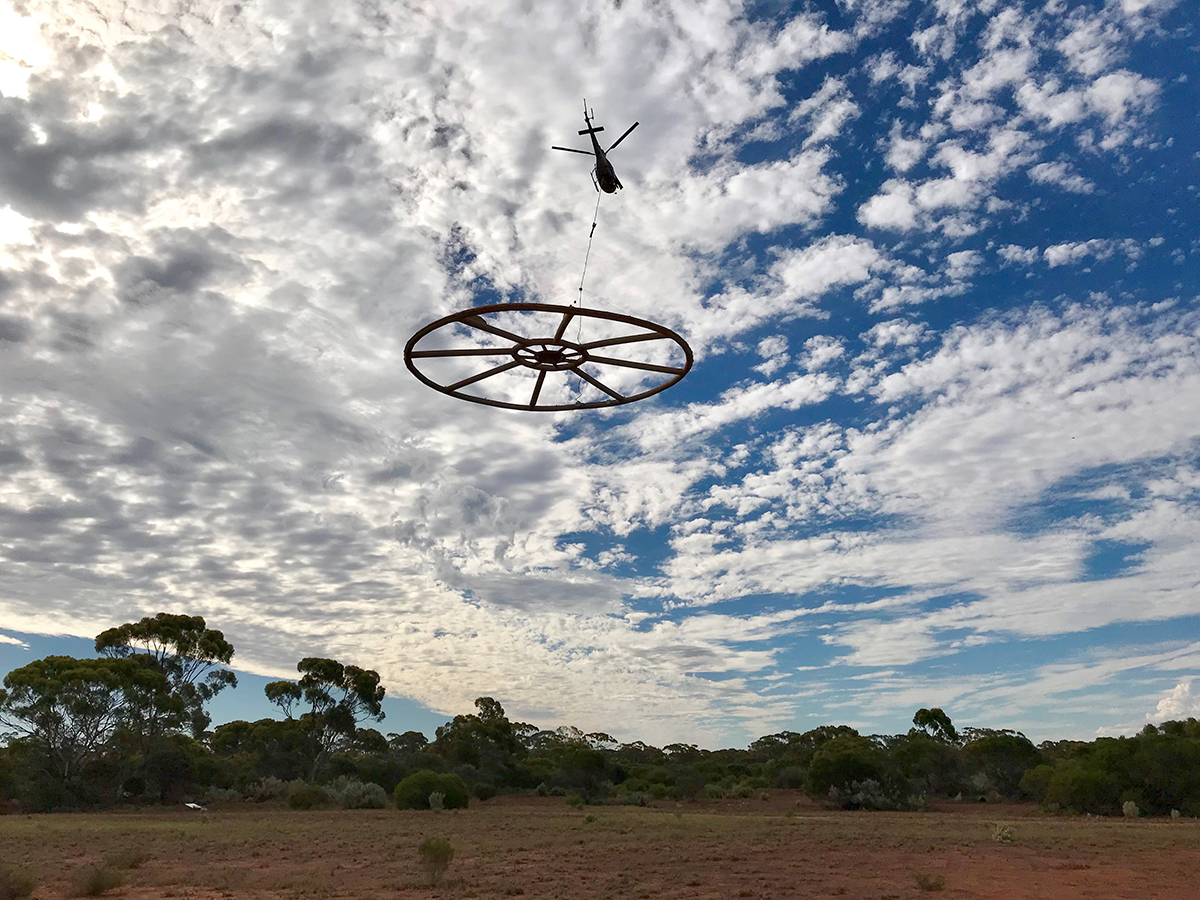
- Airborne electromagnetic surveying could help map clay layers, aquifers and recharge pathways across Kathmandu Valley and the Tarai.
- The author calls for a pilot survey, a national borehole archive, protection of recharge zones and stronger Nepali expertise in airborne geophysics.