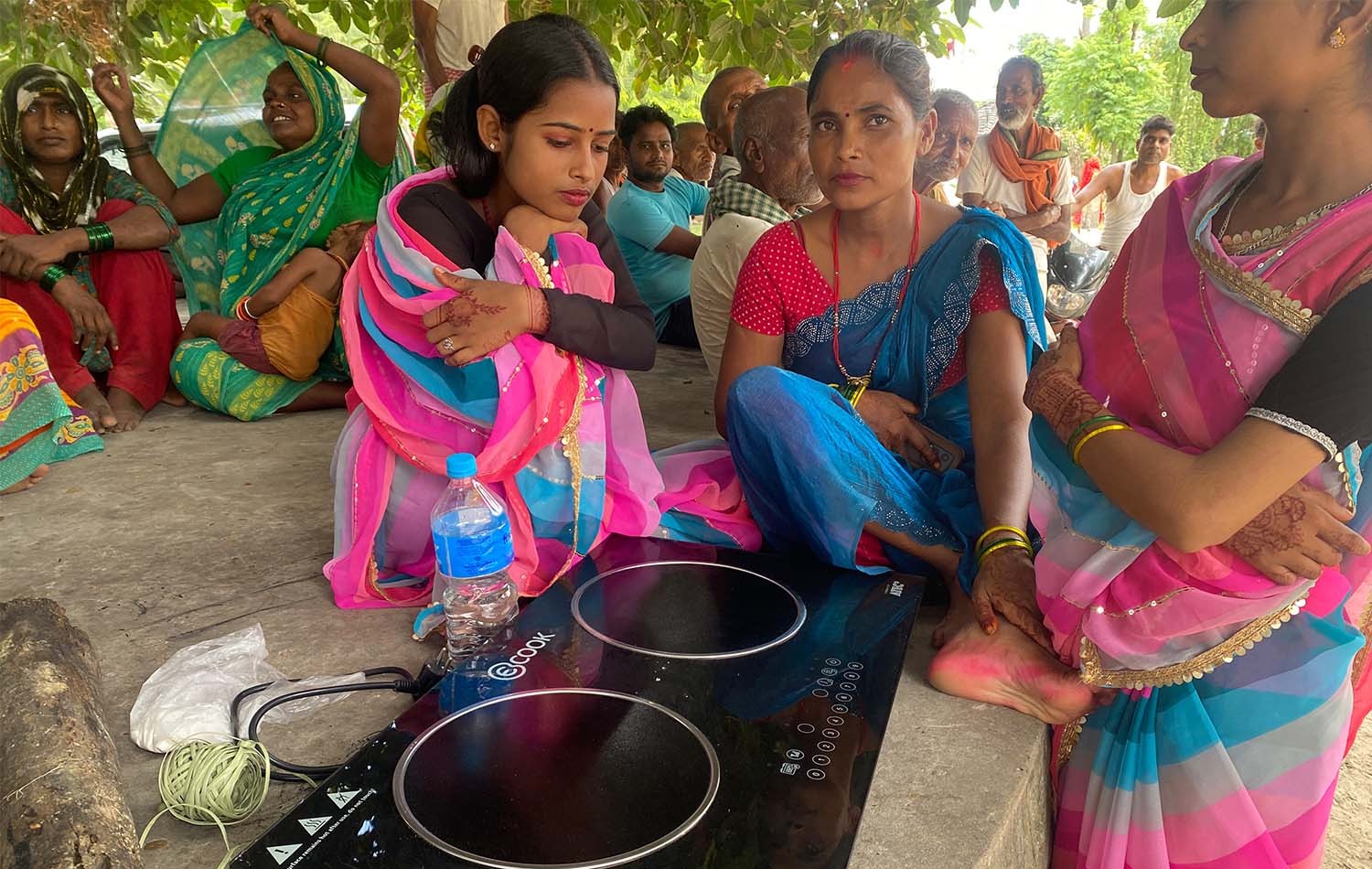
Opinion | How electric cooking can drive equity
Summary
Electric cooking could help Nepal cut smoke-related health harms and make kitchens safer, but poor and rural households remain stuck with biomass while energy policy favors the well-off. The piece argues that expanding electric cooking requires treating the needs of low-income households as central to power planning and infrastructure investment.
Key Points
- Nepal’s electricity policies have largely benefited richer households, while millions of poor and rural families still cook with biomass in smoke-filled kitchens.
- Indoor air pollution from kitchen smoke causes about 25,000 deaths a year in Nepal, and electric cooking could sharply reduce this burden.
- A National Assembly hearing cited an estimate that universal induction cooking for two hours a day could add about 3,000 MW of demand, nearly Nepal’s current power capacity.
- The article says expanding electric cooking depends on centering poor households in energy planning and strengthening rural transmission and distribution networks.