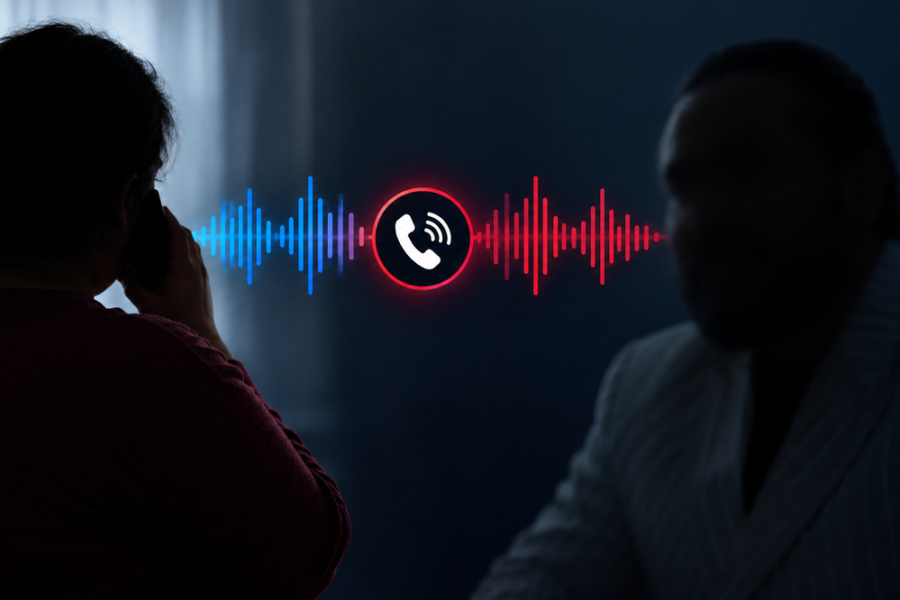
Can AI fake a Nepali voice convincingly? Here’s what the experts say
Summary
AI voice cloning is making it harder to tell genuine Nepali recordings from fabricated ones, especially in controversial clips involving public figures. Experts say verification requires forensic analysis, metadata checks and cross-checking with independent evidence rather than relying on audio quality alone.
Key Points
- AI voice cloning can generate convincing speech from only a few seconds of clear audio, though high-quality Nepali models still need much more training data.
- Experts say fake and real recordings are hard to distinguish by ear alone, and forensic labs rely on waveforms, spectrograms, metadata and speaker-recognition analysis.
- Tools such as ElevenLabs, Resemble AI, SynthID and TrueMedia can help detect synthetic audio, but none can guarantee 100% accuracy.
- Recent Nepal-related controversies involving Swarnim Wagle, Raj Kumar Gupta and Khagendra Sunar show how AI-generated audio can damage reputations and fuel doubt.