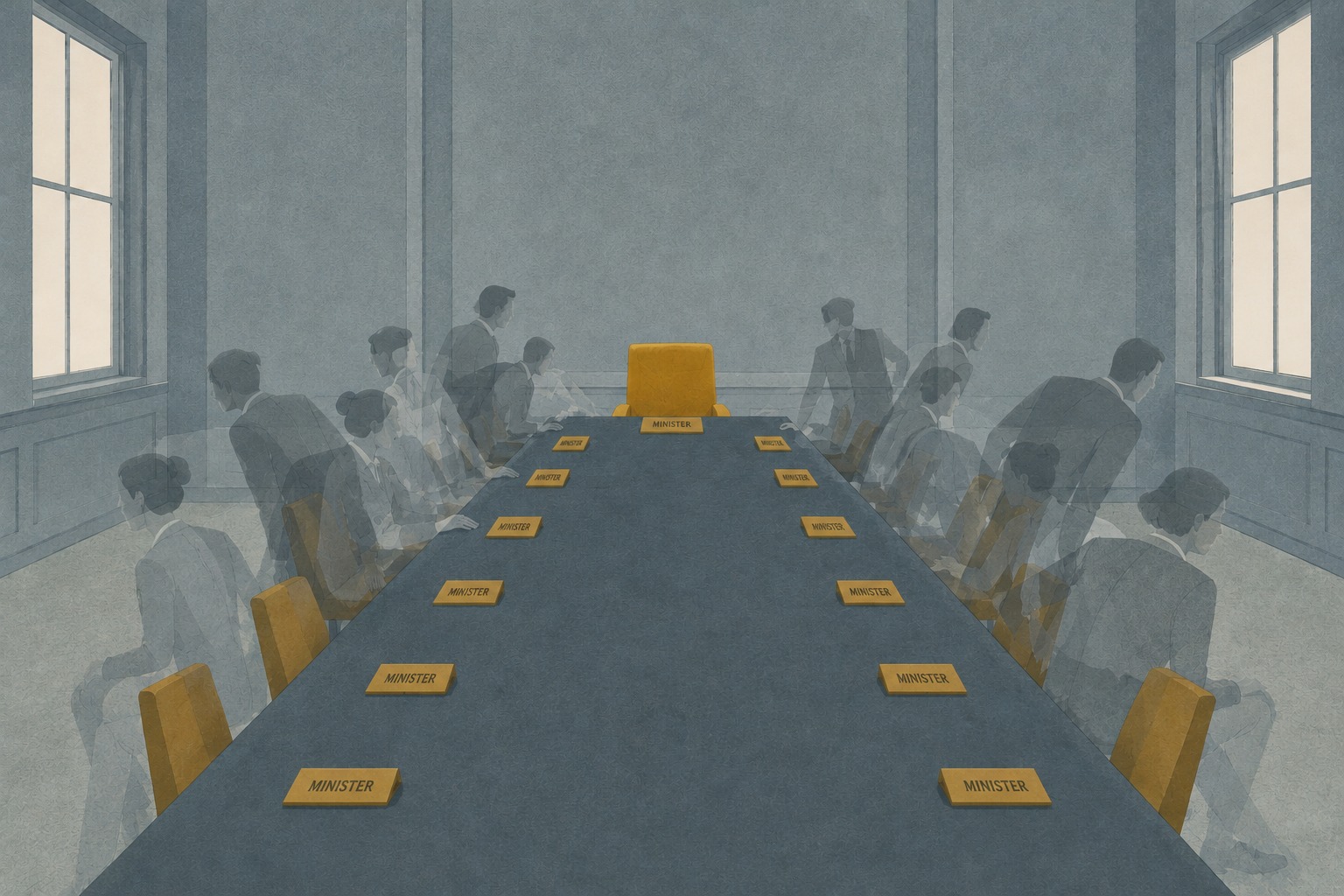
Opinion | Nepal’s provinces must stop manufacturing ministers and start governing
Summary
Nepal’s provinces have turned into minister-making machines, with unstable coalitions, bloated cabinets and delayed budgets undermining their core purpose. The piece argues that provincial governments must focus on stable governance, timely budgets and basic service delivery instead of rotating political appointments.
Key Points
- Since January 2023, 301 of Nepal’s 550 provincial lawmakers have served as a provincial minister or state minister, and some provinces have had up to five chief ministers.
- The article argues that provincial politics in Nepal has been driven by Kathmandu-based party decisions, producing unstable coalitions and oversized cabinets.
- Public services are suffering, with examples from Bajura and Sudurpaschim showing shortages of free medicines and budget delays, while Lumbini has many unfinished and newly added projects.
- The author says provinces must build stable coalitions, present budgets on time, and focus on hospitals, salaries and basic administration to earn stronger standing within Nepal’s federal system.