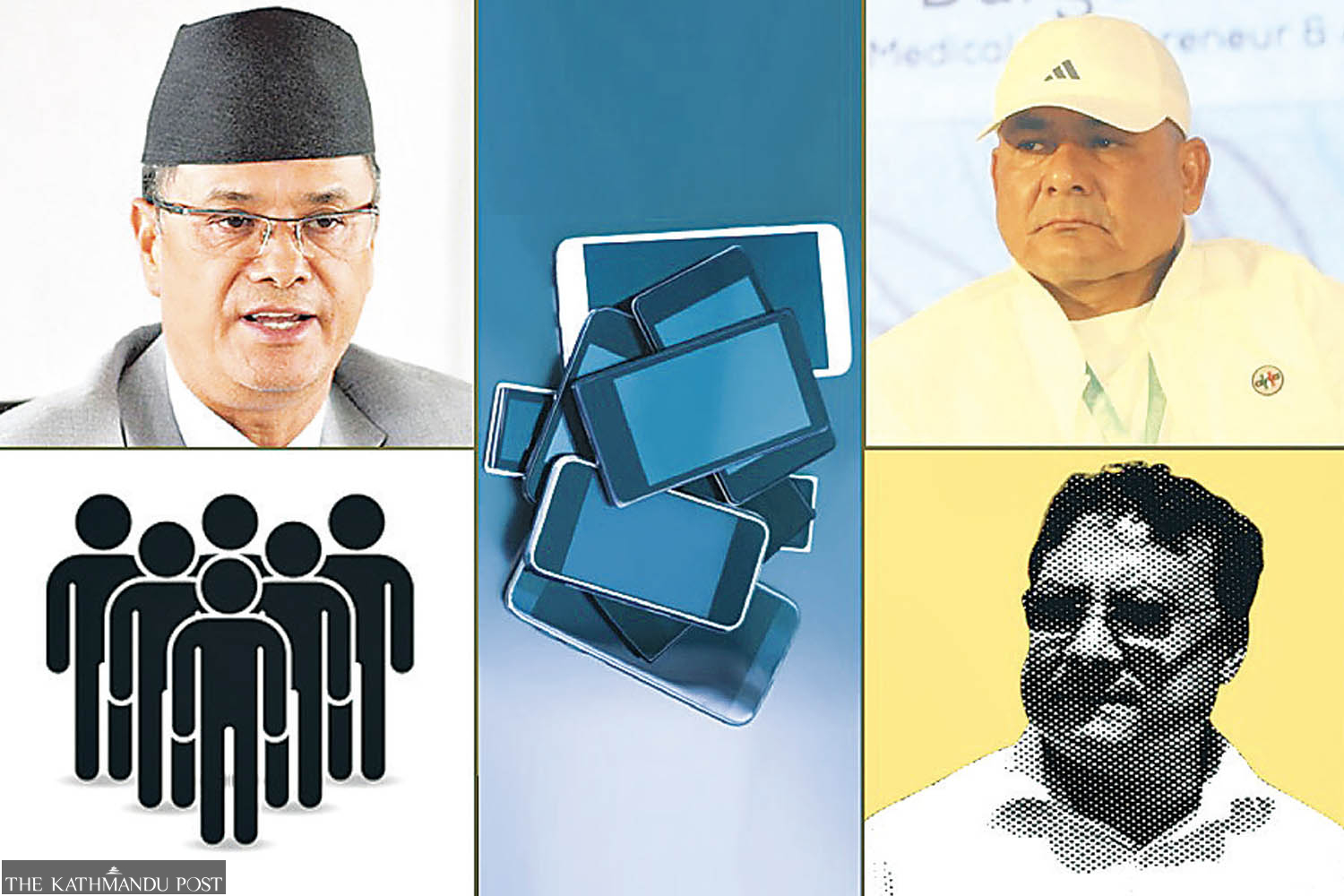
When police seize individuals’ phones, where does their authority end?
Summary
Police phone seizures in recent Nepal cases have raised questions about privacy, legal authority, and what investigators are allowed to examine inside seized devices. The debate has intensified after former chief justice Cholendra Shumsher Rana’s phone was taken during police custody and later returned without explanation.
Key Points
- Police seized former chief justice Cholendra Shumsher Rana’s phone during a detention in Teku, then returned it hours later without explaining the legal basis for accessing it.
- The article cites other cases involving journalist Kishor Shrestha, Durga Prasai, and Taplejung protesters, where phones and other digital devices were taken during police action.
- Legal experts say phones and their contents are protected by privacy laws and that accessing data generally requires a clear legal basis or court permission.
- The central question is whether police can justify taking a person’s phone and examining its contents merely because the device may contain useful evidence.