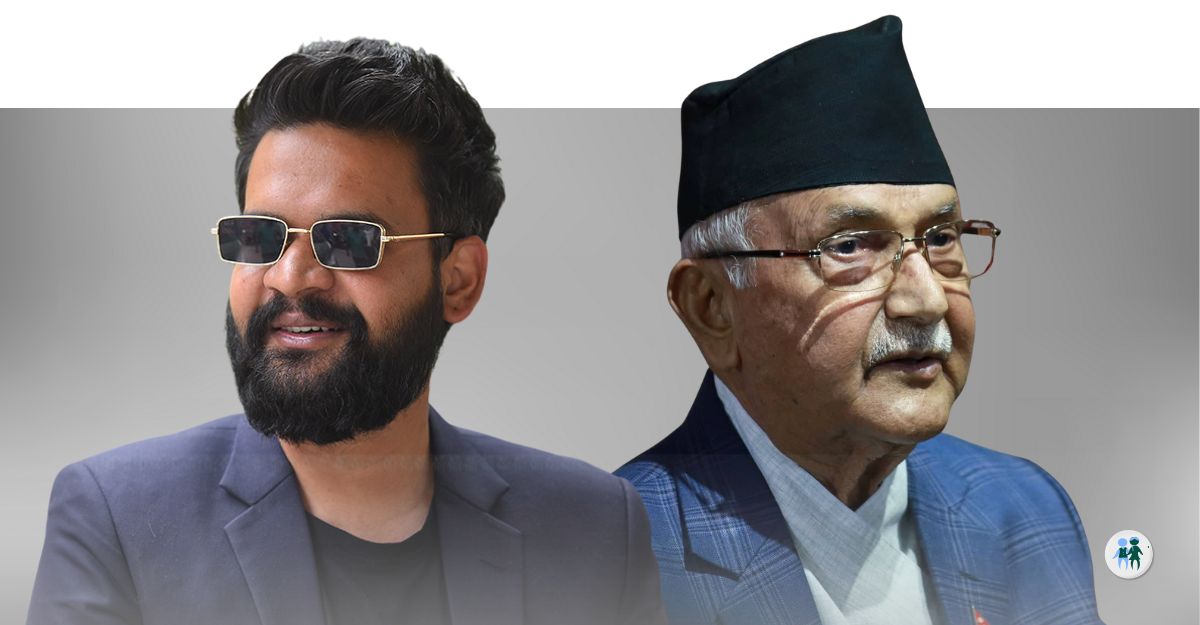
What does a 50-year-old sound like?
Summary
The piece argues that Nepal’s political renewal should not be reduced to replacing older leaders with younger ones, and that age alone does not determine intelligence, integrity or democratic commitment. It says real progress will come from stronger institutions, accountable leadership and intergenerational learning.
Key Points
- Nepal’s demand for generational change arose from corruption, nepotism, unemployment, poor governance and political impunity, not simply dislike of older politicians.
- The article argues that age should not be used as a shortcut for judging political imagination, honesty or competence.
- It says younger and older lawmakers each bring different kinds of knowledge that can strengthen democracy if they listen to one another.
- The success of Nepal’s generational transformation should be measured by better institutions, accountability and open leadership, not by the average age of leaders.