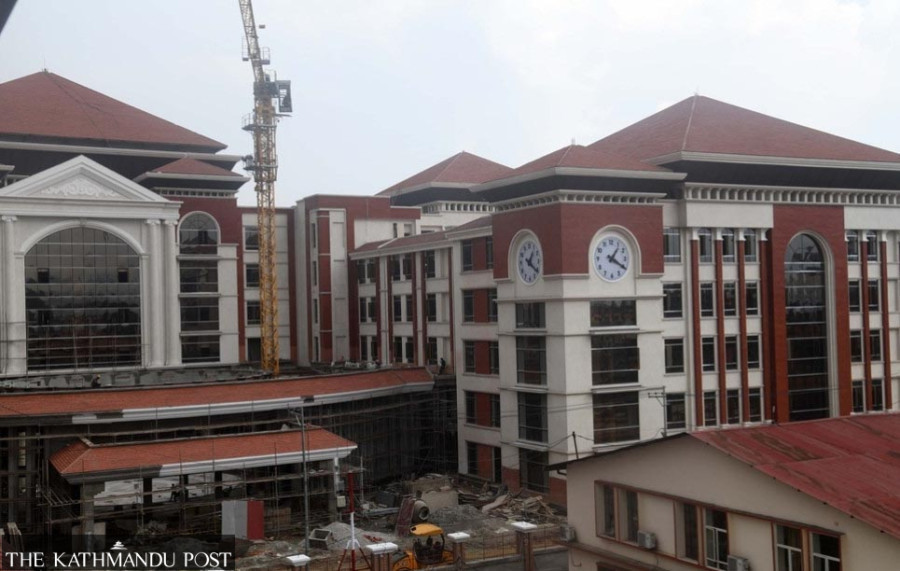
News Analysis: When institutional defence exposes institutional fault lines
Summary
The Supreme Court’s response to former Chief Justice Cholendra Shumsher Rana’s detention has exposed deep internal rifts over leadership, judicial independence and institutional accountability. The episode has intensified scrutiny of Nepal’s courts amid long-running concerns about corruption, interference and declining public trust.
Key Points
- Police took former Chief Justice Cholendra Shumsher Rana from his Kathmandu home and held him for 12 hours before releasing him, triggering a sharp reaction inside the Supreme Court.
- The full court condemned the government’s action as arbitrary, but its statement also reflected concerns about internal influence and judicial administration.
- The article says the incident has exposed deeper tensions over Chief Justice Manoj Kumar Sharma’s leadership, Constitutional Bench appointments and broader factionalism within the judiciary.
- The crisis comes amid declining public confidence in Nepal’s courts, with studies and global rankings pointing to access, corruption and transparency problems.