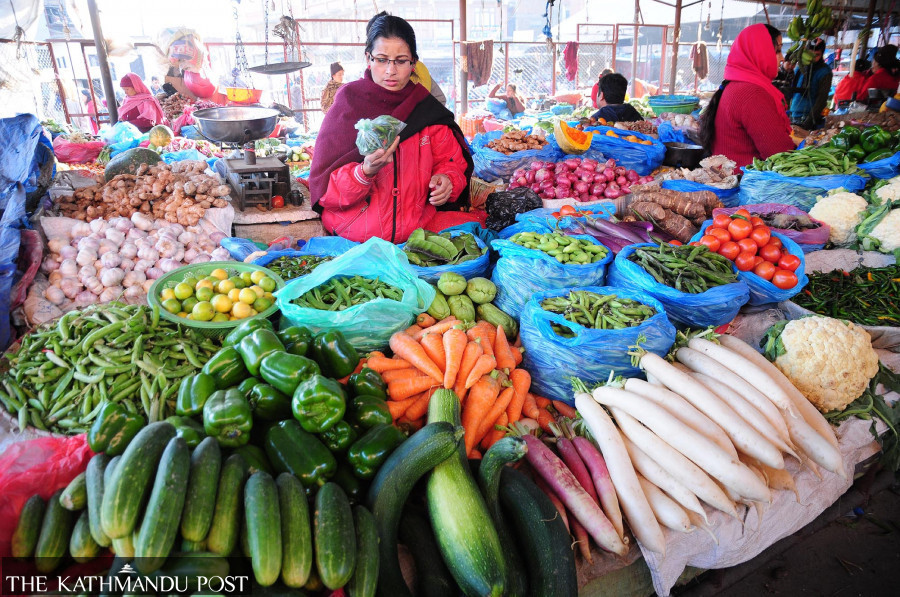
Nepal’s broken supply chain: Farmers earn less, consumers pay more
Summary
Farmgate prices for agricultural goods have risen at their slowest pace in eight years, while consumers in Nepal continue to pay several times more by the time produce reaches the market. A report points to multiple layers of middlemen, weak market oversight and repeated farmer protests over low returns.
Key Points
- Farmgate prices rose only 2.04 percent in the last quarter of fiscal year 2025-26, the lowest growth in eight years, according to the National Statistics Office.
- Consumer prices for vegetables, fruit, meat and fish remain much higher, with produce often passing through up to seven layers of middlemen before reaching buyers.
- Farmers in places such as Makawanpur and Dhading receive far less than retail prices in the Kathmandu Valley, widening the gap between producer and consumer earnings.
- Officials and experts say unclear market structures and powerful middlemen are inflating prices, while earlier government efforts to regulate the trade did not fully materialize.