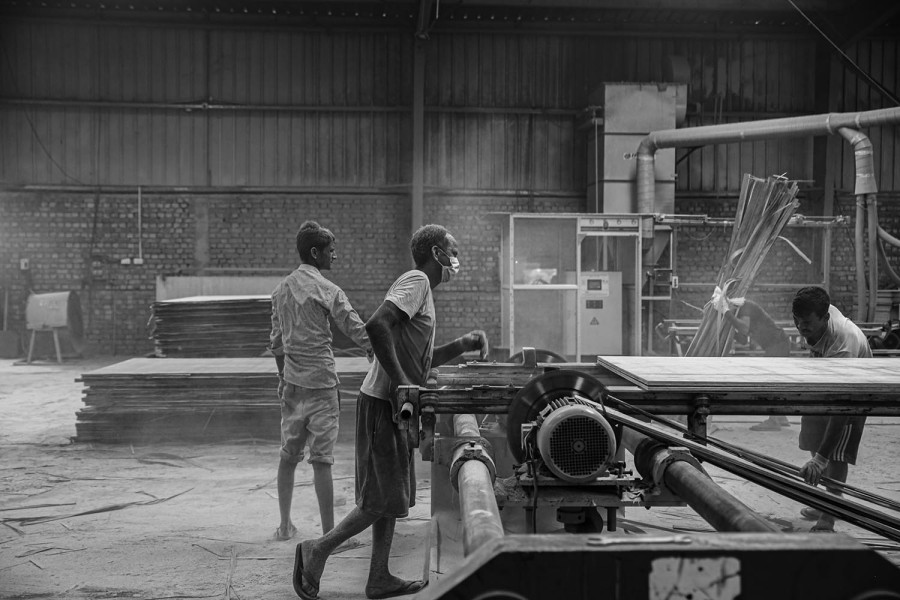
Biratnagar’s industrial engine slows. Can it regain its old shine?
Summary
Biratnagar’s industrial base is struggling with weak demand, higher costs and cross-border competition, forcing factories to cut production and reduce shifts. Industrialists are pinning hopes on regular cargo rail service and better trade policy to revive the city’s role as a manufacturing hub.
Key Points
- More than 600 factories once operated in the Sunsari-Morang Industrial Corridor, employing about 100,000 people, but many plants in Biratnagar have now slowed or shut down.
- Industrialists blame weak demand, higher input costs, bank interest rates, transportation costs and illegal cross-border trade for the sector’s decline.
- A commercial cargo train arrived in Biratnagar from Kolkata for the first time under the Nepal-India transit arrangement, raising hopes of lower transport costs.
- Business leaders say Biratnagar’s recovery depends on regular rail service, efficient customs, better border management and industry-friendly government policy.