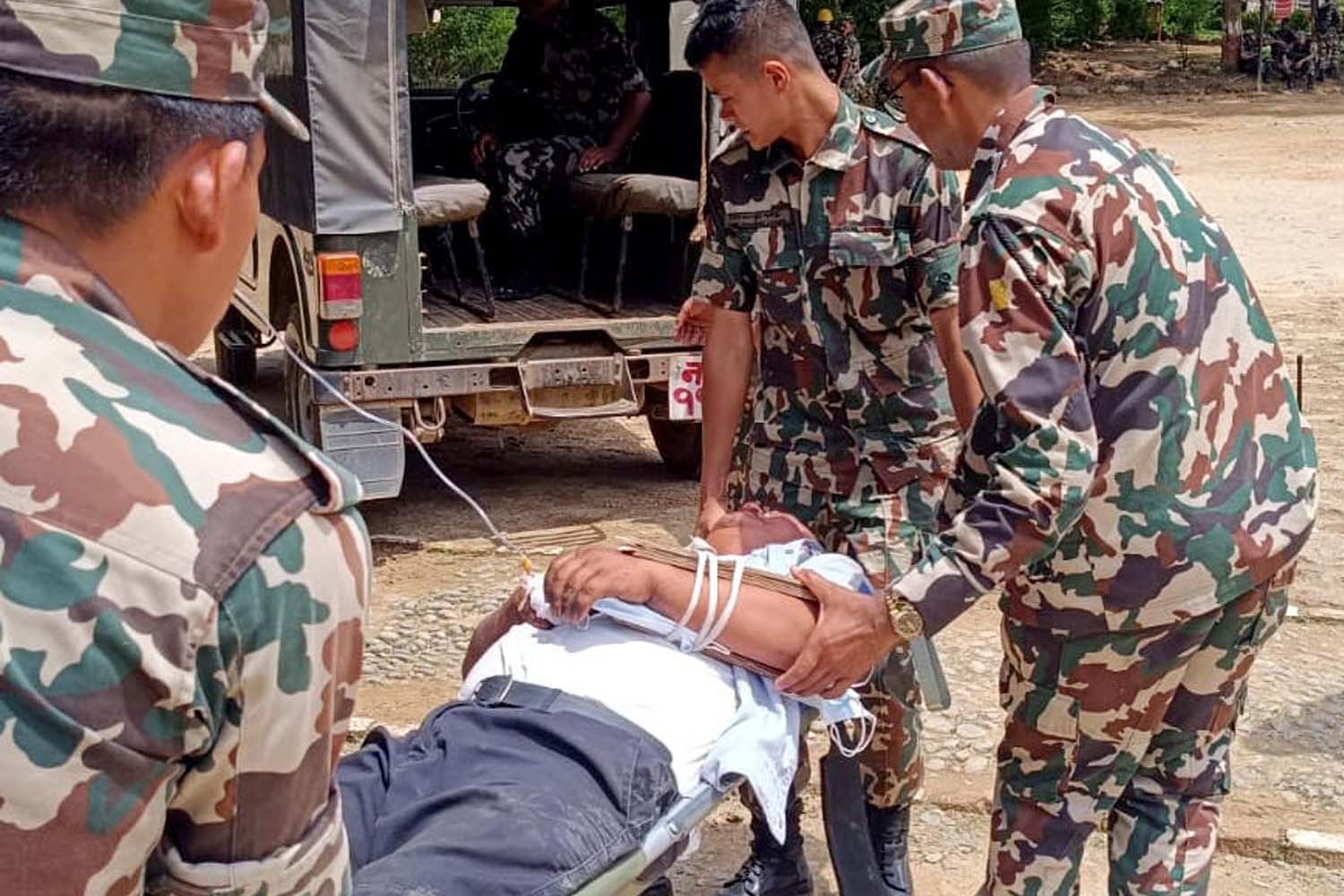
Opinion | What the Bhotekoshi flood revealed about Nepal’s health system
Summary
Nepal’s Bhotekoshi flood exposed both progress and gaps in the country’s disaster health preparedness, from coordinated hospital referrals and disease surveillance to weaknesses in command, mortuary capacity and data integration. The response showed stronger institutional learning since 2015, but also the need for a more unified and resilient emergency system.
Key Points
- The Bhotekoshi flood served as a real-time test of Nepal’s disaster health preparedness, leadership, coordination and institutional resilience.
- The health response improved compared with past disasters, with the HEOC activated, hospitals taking referrals, EMTs mobilised and mental health services reaching affected communities.
- The article says Nepal still needs stronger operational command, unified EMT governance, better mortuary and body-storage capacity, and more integrated health information systems.
- Recovery should go beyond reconstruction to rebuild health facilities, restore services, strengthen surveillance and support vulnerable groups and long-term resilience.