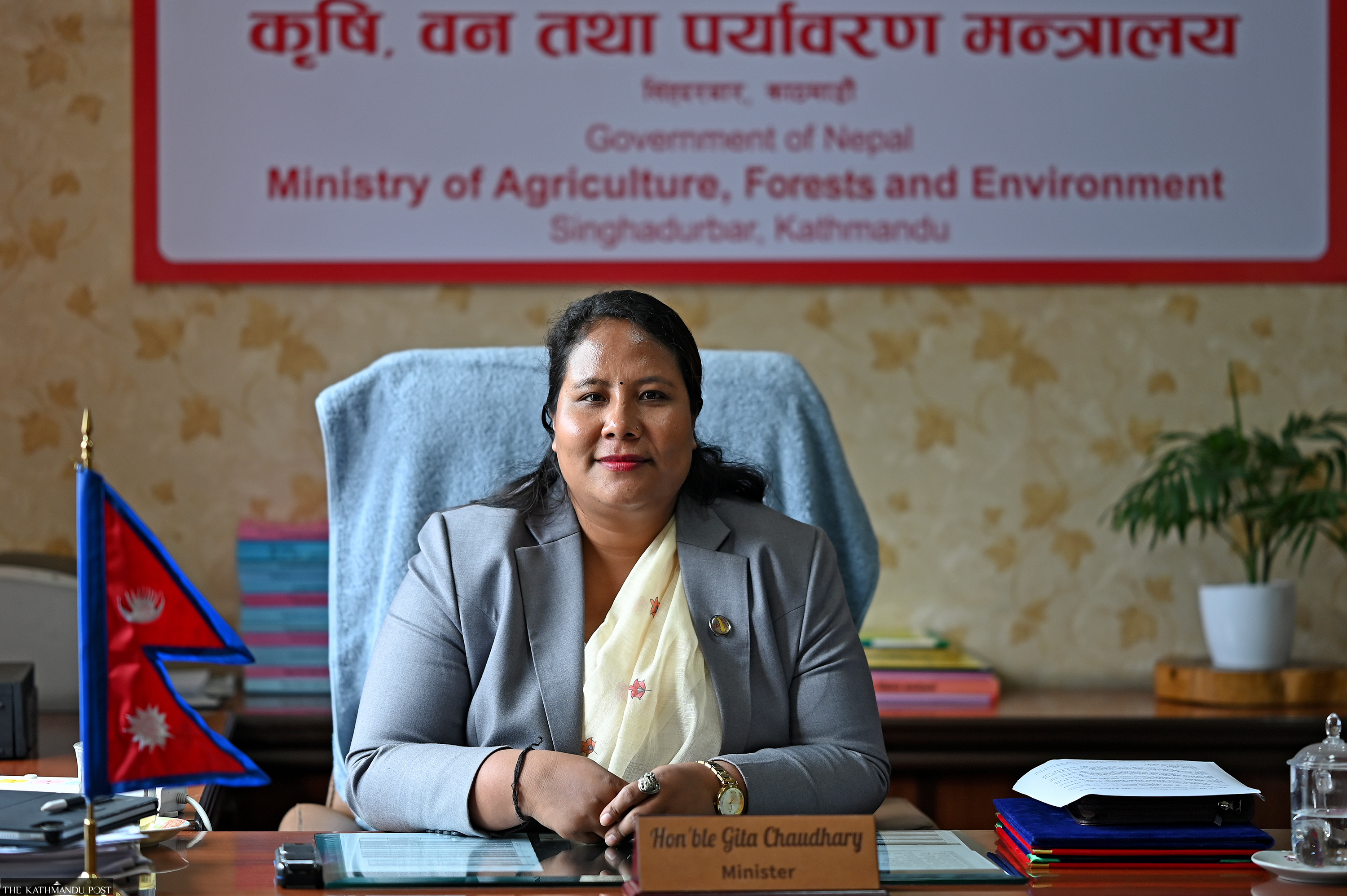
Minister Geeta Chaudhary on the Jeetpur-Simara case, the government’s response, and what she believes needs to change
Summary
Geeta Chaudhary says the Jeetpur-Simara child murder exposes deep failures in policing, victim-blaming and Nepal’s legal response, and argues for faster investigations, victim-centric laws and wider reform. She rejects the death penalty as incompatible with Nepal’s human rights commitments while calling for stronger enforcement and a shift in patriarchal attitudes.
Key Points
- Geeta Chaudhary says police should have treated the missing-child complaint with urgency from the start, and that the delay reflects deeper problems in handling such cases.
- She argues that victim-blaming remains pervasive in Nepal and is rooted in patriarchal attitudes that fail to treat daughters as equal human beings.
- Chaudhary calls for fast-track courts, stricter sentencing, and victim-centric laws rather than the death penalty, which she says conflicts with Nepal’s human rights commitments.
- She says informal out-of-court settlements in rape cases contribute to impunity, especially for Dalit, Janajati and low-income survivors.