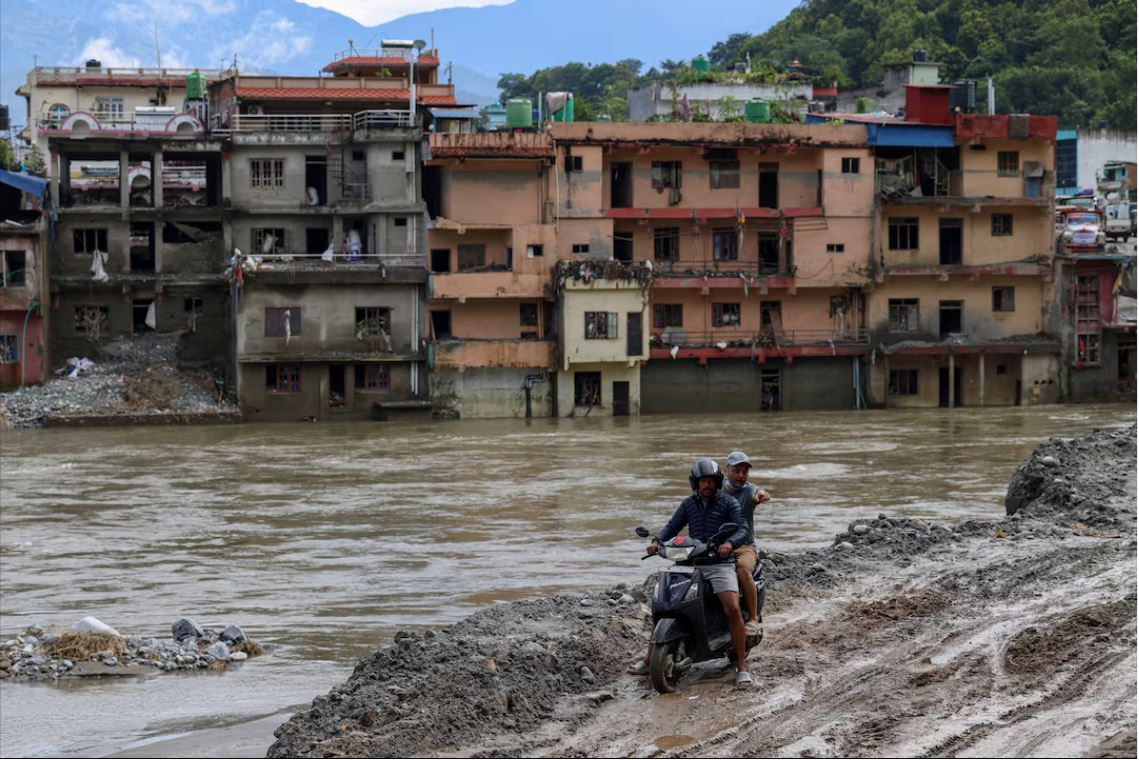
Climate change likely to have helped trigger Nepal glacier collapse, scientists say
Summary
Scientists say climate change likely helped trigger the glacier collapse that flooded parts of Nepal and Tibet in late August, worsening conditions in the Himalayas through glacier thinning, permafrost thaw and exceptional warmth. The disaster killed around 1,400 people and left thousands missing.
Key Points
- Climate change is highly likely to have contributed to the glacier collapse that flooded parts of Nepal and Tibet in late August.
- Researchers say rapidly warming temperatures thinned glaciers and melted permafrost, creating conditions that made the collapse more likely.
- The World Weather Attribution group found temperatures in the Himalayan region were about 5°C above normal in August, with 1.5°C of that rise attributed to climate change.
- Scientists said the 2015 earthquake may also have weakened the slope, but the final destabilization came from glacier retreat, meltwater and exceptional warmth.