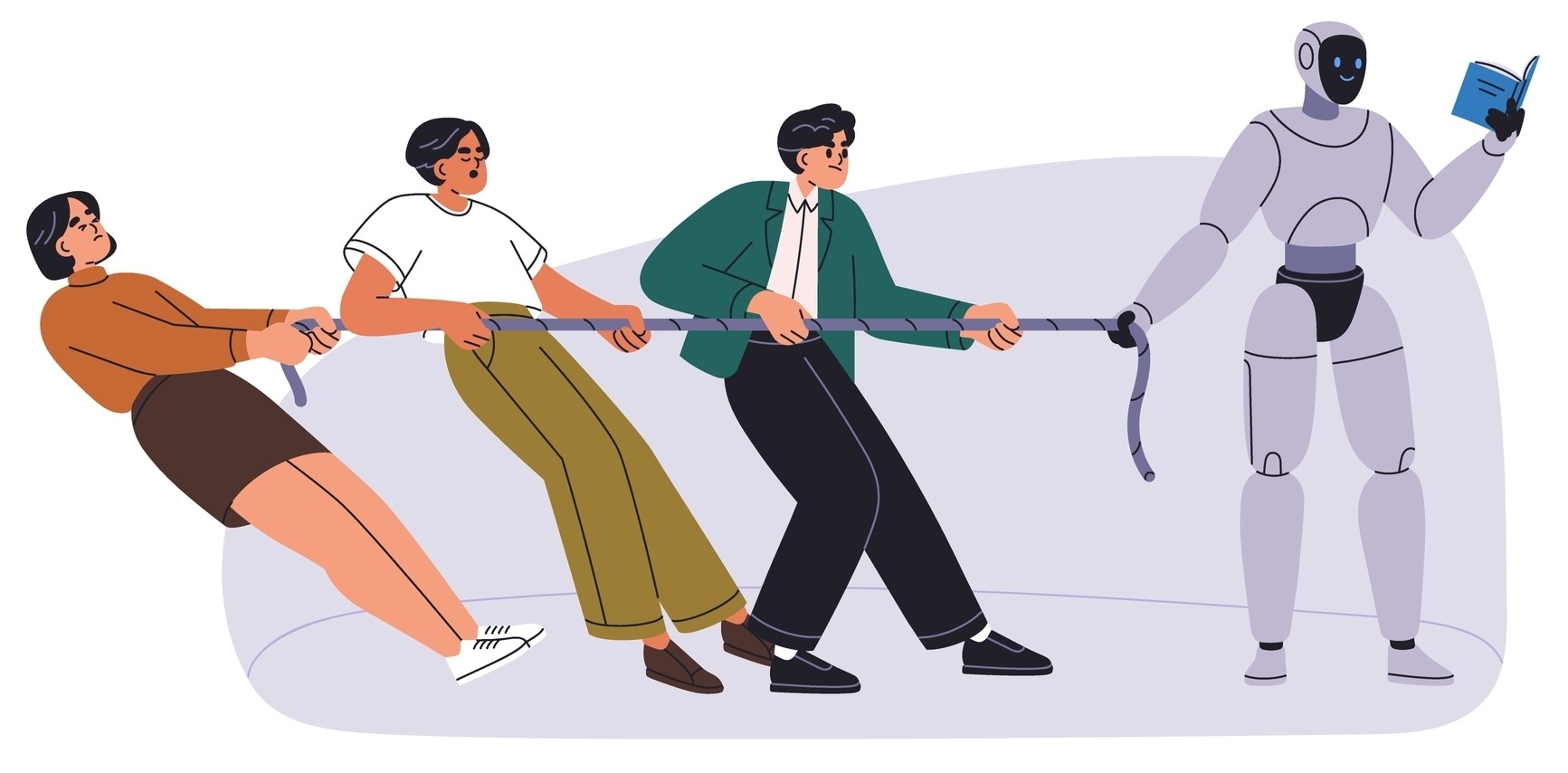
Opinion | How not to worry about the AI revolution and the law of unintended consequences?
Summary
AI can be used to solve major scientific and humanitarian problems, but its development should stay aligned with human survival, ecological balance, and shared global interests. The greater danger lies not in AI itself, but in how nations and powerful actors choose to use it.
Key Points
- The article argues that AI should be guided by the goal of strengthening human civilisation and protecting nature, not just maximizing profit or power.
- It warns about the law of unintended consequences, using examples from food, batteries, chemicals, and antibiotics to show how innovations can create new problems.
- The author says AI could help solve major challenges such as wastewater treatment, disease research, disaster tracking, deep-ocean exploration, and missing-aircraft searches.
- A common international agreement on responsible AI use is presented as necessary to prevent misuse, conflict, and long-term harm.