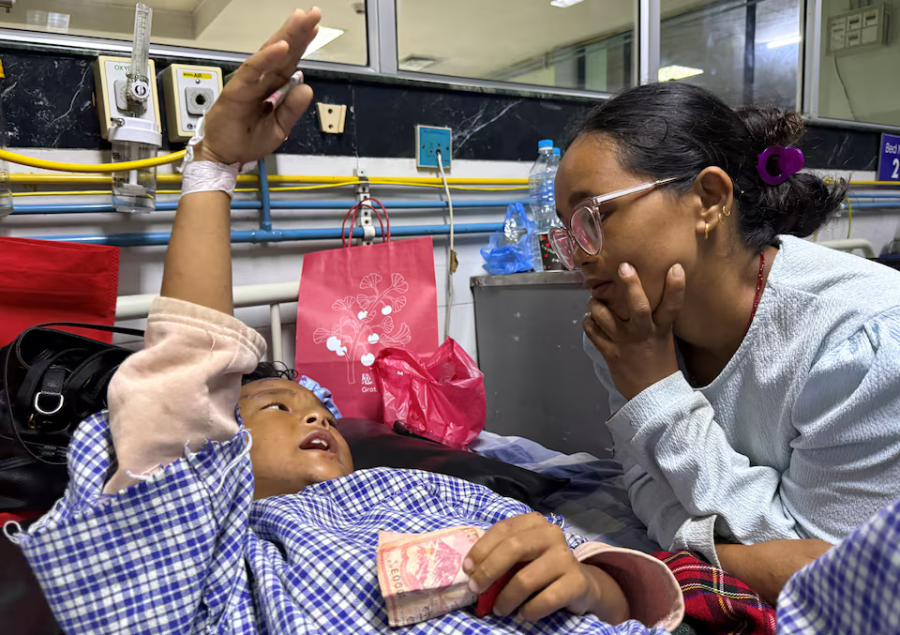
Opinion | Why Nepal’s climate crisis is also a public-health emergency
Summary
Nepal’s climate crisis is already straining hospitals, medicines, maternal care and disease surveillance after the Bhotekoshi flood. The article argues that disaster planning must treat climate change as a public-health emergency and build more resilient health systems.
Key Points
- Bhotekoshi flood damage has disrupted hospital access, antenatal care, medicines and other essential health services in Rasuwa, Nuwakot and nearby areas.
- The author argues that climate-related disasters should be assessed not only for infrastructure losses but also for their impact on health systems and disease risk.
- Climate change is linked to shifting patterns of dengue and other vector-borne diseases, making surveillance and early warning more important.
- Nepal should invest in preparedness, resilient healthcare, safe water, sanitation and climate-finance-supported prevention before the next emergency.