Bhotekoshi floods push Kulekhani into continuous power generation
Summary
The Bhotekoshi floods damaged more than a dozen hydropower projects and forced Kulekhani to run continuously, putting pressure on Nepal’s main backup power station during the rainy season. Falling reservoir levels and long-term siltation are deepening concerns about winter power shortages.
Key Points
- The August 26 Bhotekoshi floods damaged more than a dozen hydropower projects, knocking more than 400 megawatts offline in Rasuwa and Nuwakot.
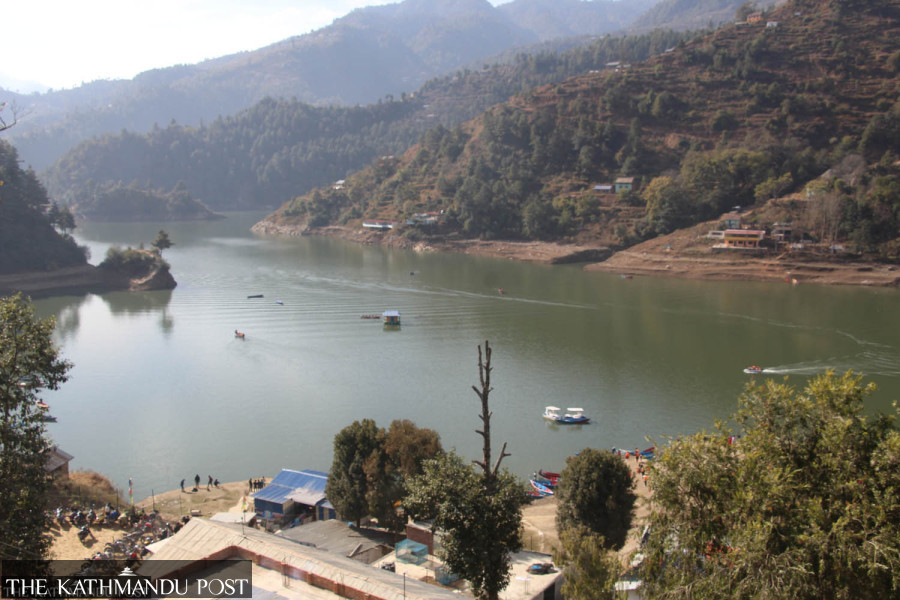
- The Nepal Electricity Authority has been running all three Kulekhani powerhouses 24 hours a day to cover the shortage, rapidly depleting Indra Sarobar reservoir levels.
- Kulekhani’s reservoir has been severely affected by siltation and sediment buildup, sharply reducing its storage capacity and long-term generation potential.
- Engineers warn that continued emergency generation could leave Nepal vulnerable to acute power shortages in the coming winter.