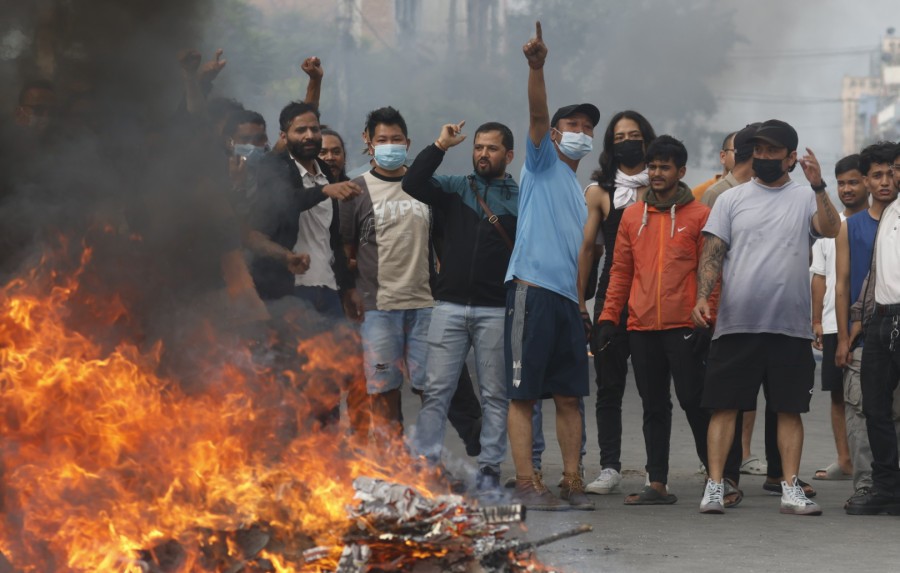
Opinion | Nepal’s Gen Z movement succeeded through masculine violence—but that must change
Summary
Nepal’s Gen Z anti-corruption movement succeeded through destructive violence, but the article argues that such hyper-masculine tactics sidelined women and must give way to non-violent protest in the future. It links the unrest to a wider gender death gap and the long history of violent political uprisings in Nepal.
Key Points
- The article marks the one-year anniversary of Nepal’s Gen Z anti-corruption movement and argues that violence drove its success.
- It says men dominated the violent protests, while women were pushed to the margins and faced lower exposure to state retaliation.
- The piece compares the Gen Z uprising with earlier movements including People’s Movement I, People’s Movement II, and the Tarai-Madhesh movement.
- It urges future political change in Nepal to rely on non-violent, gender-inclusive methods rather than hyper-masculine violence.