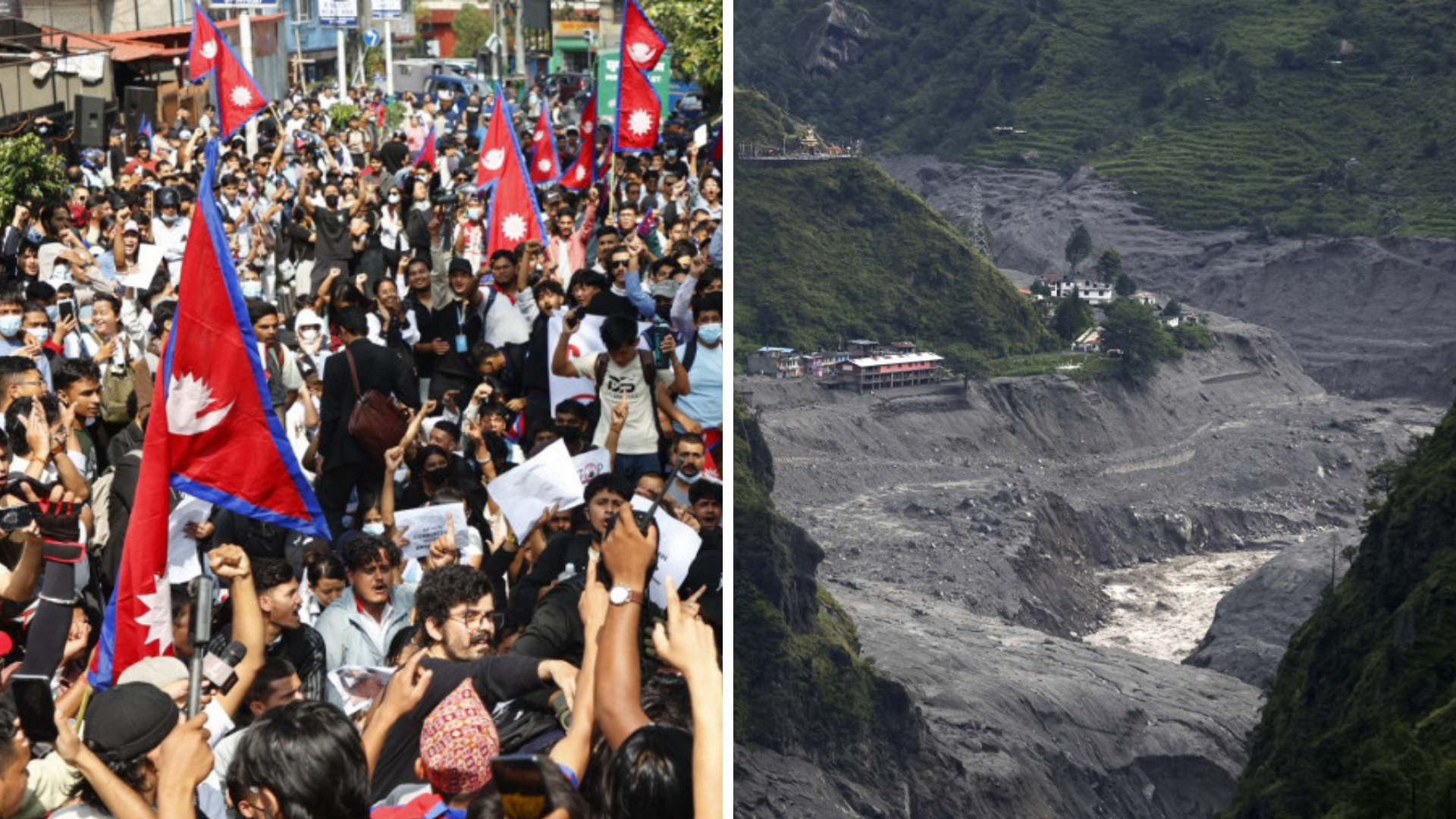
Opinion | Democracy amid disaster: What kind of state do we need in a crisis?
Summary
Bhotekoshi’s flood has renewed debate over how Nepal’s state should act in times of crisis, with the article warning that emergency powers can weaken democracy if they concentrate authority and sideline accountability. It argues that disaster response must remain transparent, citizen-centred and coordinated across local, provincial and federal levels.
Key Points
- The article uses the Bhotekoshi flood and the anniversary of the Gen Z uprising to examine how disasters test Nepal’s democracy and state capacity.
- It warns that emergency governance can shrink democracy if information is controlled, criticism is suppressed and decision-making becomes overly centralized.
- The piece argues that effective disaster response in Nepal requires coordination among local, provincial and federal governments, not reliance on security forces alone.
- Extraordinary power in a crisis must be matched by extraordinary accountability to protect citizens and democracy.