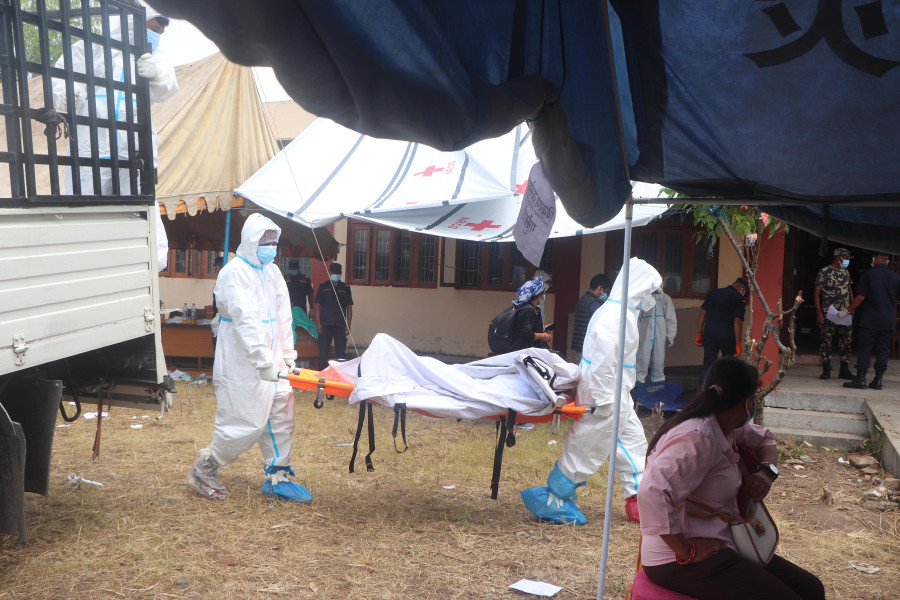
Q&A: How Nepal can still identify those who died in the flood
Summary
Nepal is grappling with how to identify flood victims whose bodies have been badly damaged or decomposed, with experts saying DNA profiling, dental records and fingerprints are the most reliable methods. Authorities are being urged to preserve remains carefully, document burials, and build stronger forensic capacity for future disasters.
Key Points
- Floodwaters in northern Nepal have left many bodies badly damaged, decomposed or fragmented, making visual identification unreliable.
- Experts say INTERPOL’s disaster victim identification process, DNA profiling, odontology and fingerprint analysis are the main tools for identifying victims.
- Temporary burial with careful documentation is recommended when refrigerated storage is unavailable, so remains can still be identified later.
- Nepal needs stronger forensic infrastructure, including a national body storage facility and better DNA, fingerprint and ante-mortem data systems.