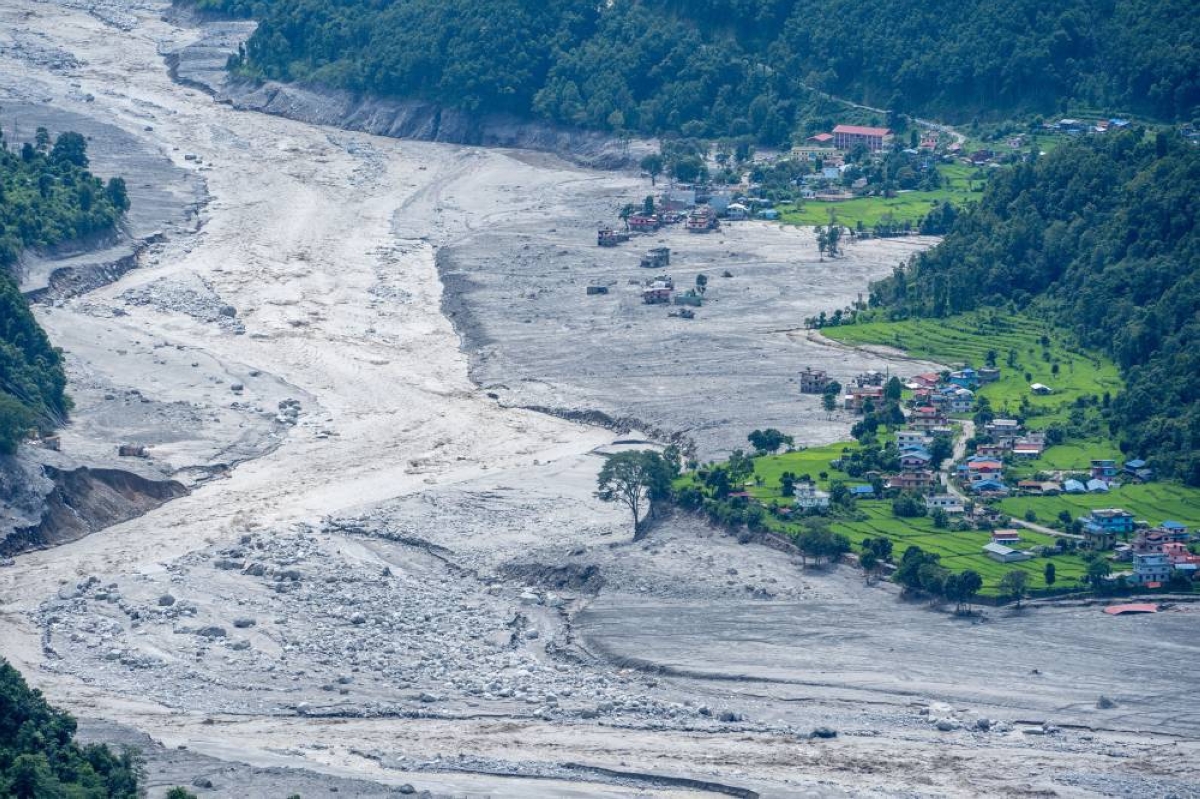
Why didn't people react to the warning? Perhaps the problem was not the warning
Summary
A glacial rock avalanche and flood in Nepal exposed a deeper problem with disaster warnings: people may have interpreted the alert through past flood experience and underestimated how different the event was. The article argues that early warning systems must communicate uncertainty and changing hazards more clearly, not just issue more alerts.
Key Points
- People may not have ignored the warning, but interpreted it through memories of previous floods that were less severe.
- The article says changing climate conditions can turn familiar hazards into unfamiliar and uncertain events.
- Early warning systems need to explain what is different about a new hazard, not only repeat standard flood alerts.
- Technology and forecasting help, but they cannot solve the problem if warning assumptions remain based on past disasters.