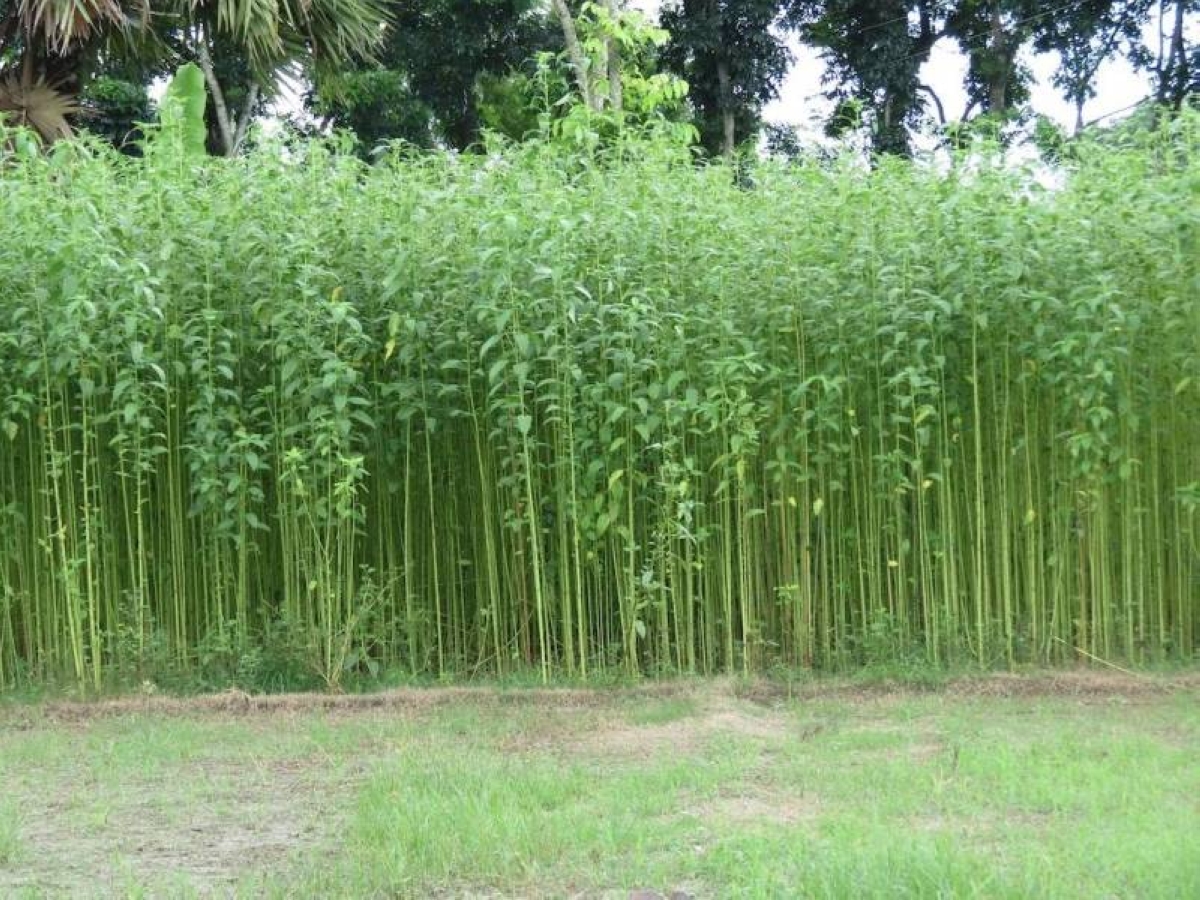
Revitalising the jute industry: A call for thorough examination
Summary
Nepal’s jute sector needs a broader overhaul beyond reviving Biratnagar Jute Mills, with a shift toward high-value, eco-friendly products and stronger support for raw jute cultivation. The industry’s future depends on modernizing mills, expanding acreage, and improving quality to compete with synthetic alternatives and imported supplies.
Key Points
- The government’s plan to form a committee to revive Biratnagar Jute Mills calls for close scrutiny and a wider reform of the jute sector.
- Traditional jute products are losing ground to cheaper, more durable synthetic alternatives, leaving Nepal’s mills underutilized and heavily dependent on imports of raw jute from India and Bangladesh.
- The sector should shift toward premium products such as reusable bags, food-grade packaging, geotextiles, home décor, and jute-based composites.
- Long-term revival requires expanding jute cultivation, adopting modern retting and harvesting methods, upgrading mills, and strengthening public-private coordination.