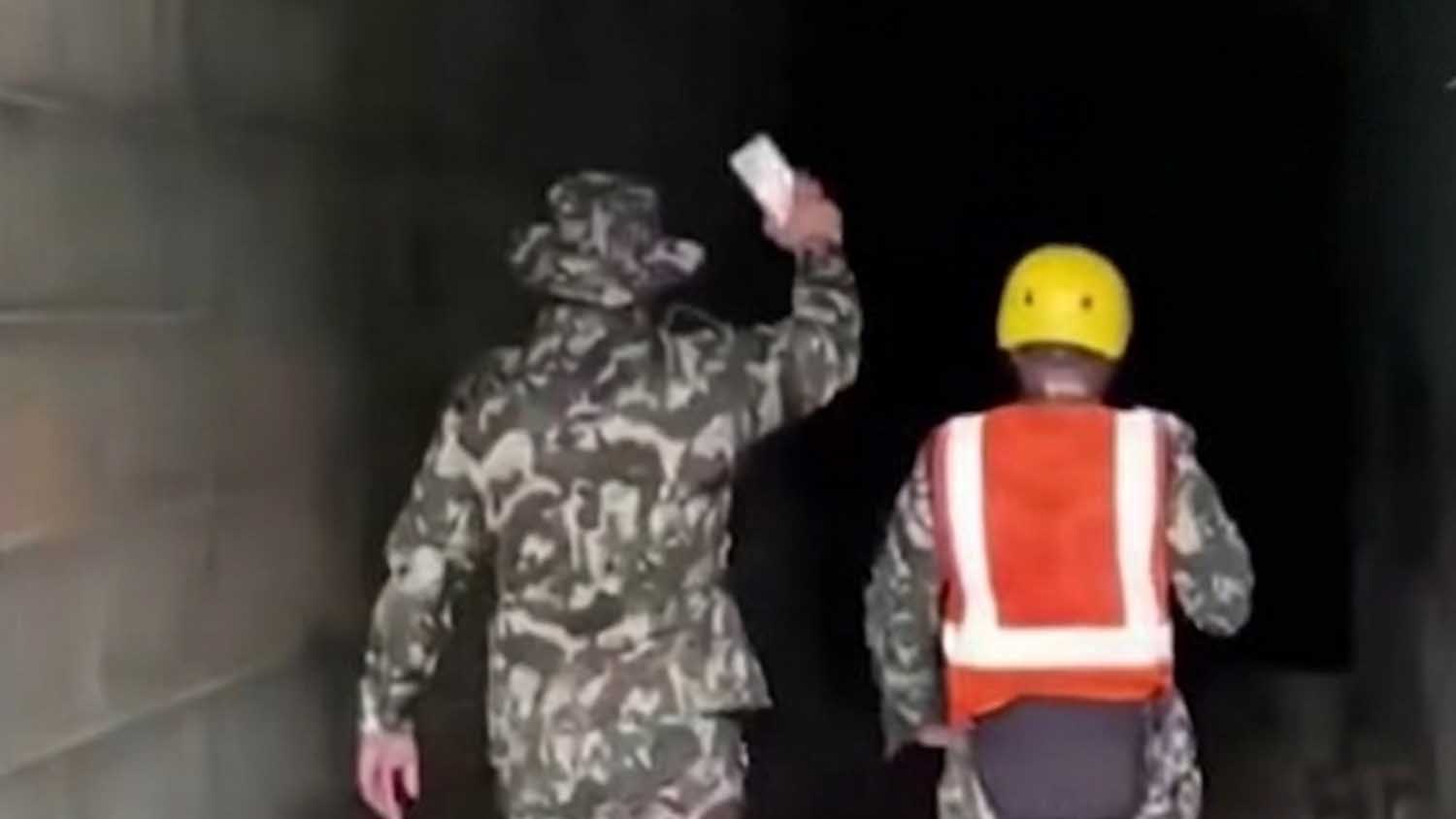
Nepal’s high-tech disaster response meets low-tech reality
Summary
Floods in the Bhotekoshi and Trishuli rivers have exposed Nepal’s gap between polished digital response tools and weak on-the-ground rescue capacity. Government agencies, security forces and civic tech groups are using portals, drones and AI to track victims and coordinate relief, but rescuers still lack essential equipment and early-warning systems.
Key Points
- Floods in the Bhotekoshi and Trishuli rivers have exposed a major mismatch between Nepal’s digital disaster-response systems and its limited field rescue capacity.
- The government has launched portals, emergency hotlines, SMS alerts, QR donation systems and other digital tools through agencies including the Prime Minister’s Office, NDRRMA and the Ministry of Home Affairs.
- Minister Mahabir Pun and security force spokespeople said specialised teams, drones and heavy rescue tools are being deployed, while critics say the physical response remains under-equipped.
- Civic tech initiatives, including a drone mapping effort and an AI-powered rescue portal built by Niraj Bhushal, are trying to fill gaps in official response systems.