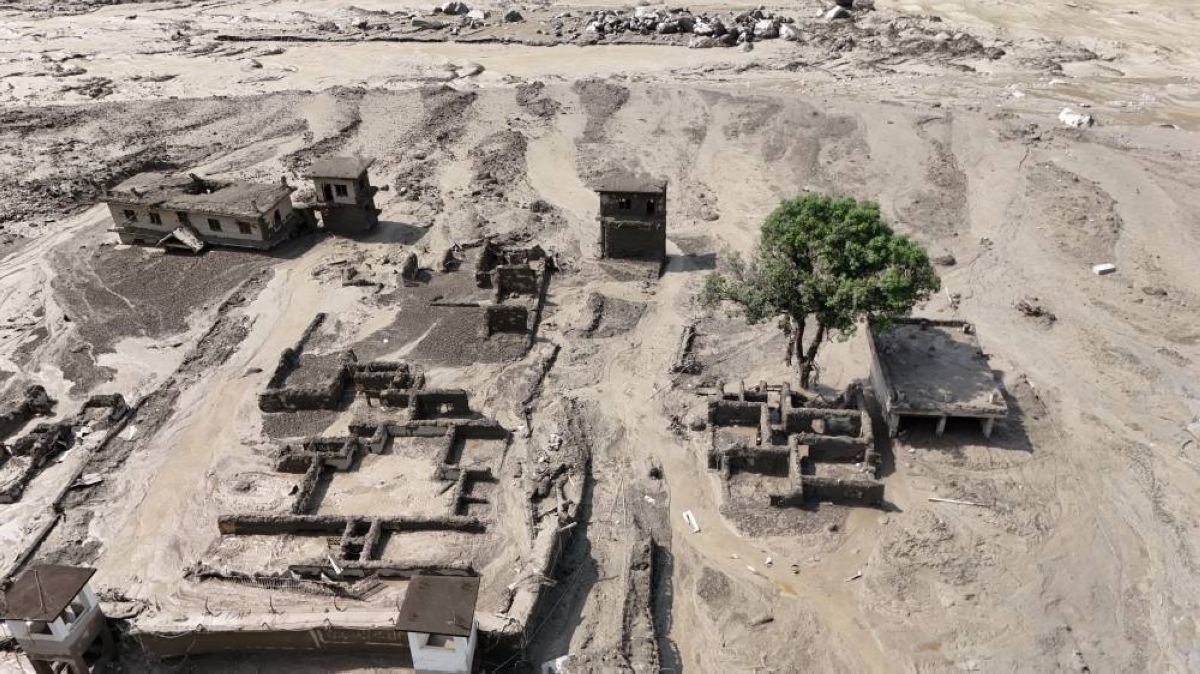
Climate change may worsen Himalayan quake impacts, but no direct link established
Summary
Climate change may worsen secondary hazards after Himalayan earthquakes by destabilising slopes and increasing landslides, rockfalls and glacial lake outburst floods. A City University of Hong Kong expert said there is still no scientific evidence linking climate change directly to the recent disaster in Tibet and Nepal.
Key Points
- Climate change can increase the vulnerability of Himalayan regions to secondary hazards after major earthquakes.
- CityUHK expert Benjamin Horton said it is too early to conclude the recent Tibet and Nepal disaster was directly caused by climate change.
- He said earthquakes are driven by tectonic processes, while warming is accelerating glacier retreat, permafrost thaw and snow and ice loss in the Himalayas.
- Researchers are still examining whether ice-mass loss could influence stress distribution in the Earth's crust, but the link to earthquake occurrence remains uncertain.