Until death: Inside Nepal’s harshest punishment
Summary
Nepal’s harshest punishment—imprisonment for the remainder of one’s natural life—has put Mohammad Abbas Ansari behind bars for seven years and left his family shattered. The story traces how the sentence was introduced, why it is being used in rape-and-murder cases, and how debate over the death penalty has resurfaced after recent brutal crimes.
Key Points
- Mohammad Abbas Ansari was sentenced by the Morang District Court to life imprisonment until death for the rape and murder of a 10-year-old girl, and his appeal is pending at the Supreme Court.
- Nepal abolished the death penalty, but its criminal code now allows courts to impose imprisonment for the remainder of a person's natural life in six categories of murder.
- The law was introduced amid public outrage over brutal killings, including the murder of Khyati Shrestha, and has since been applied in dozens of cases across the country.
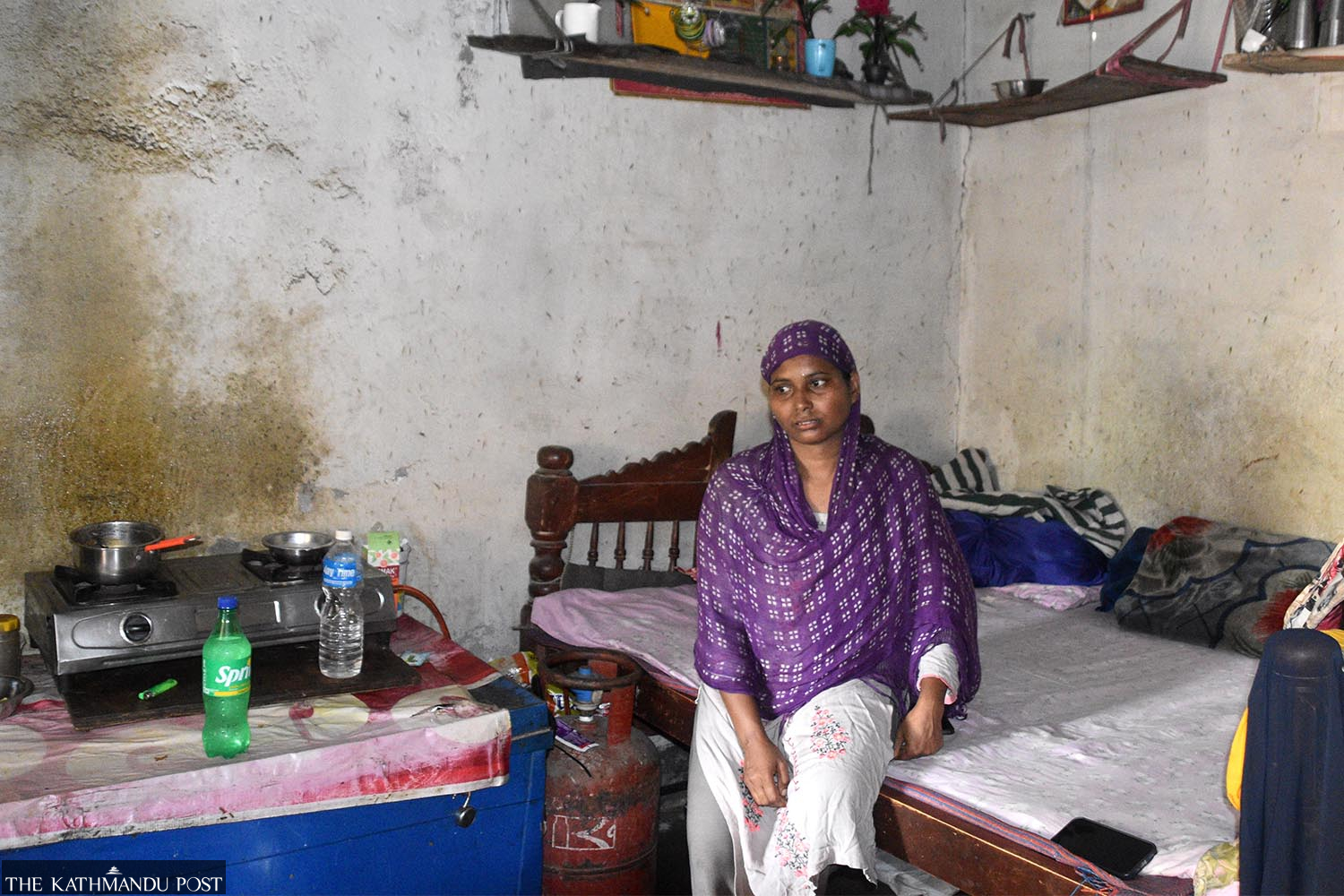
- Ansari’s family, especially his sister Apsana, has also been deeply affected, with relatives facing social hostility and financial hardship.