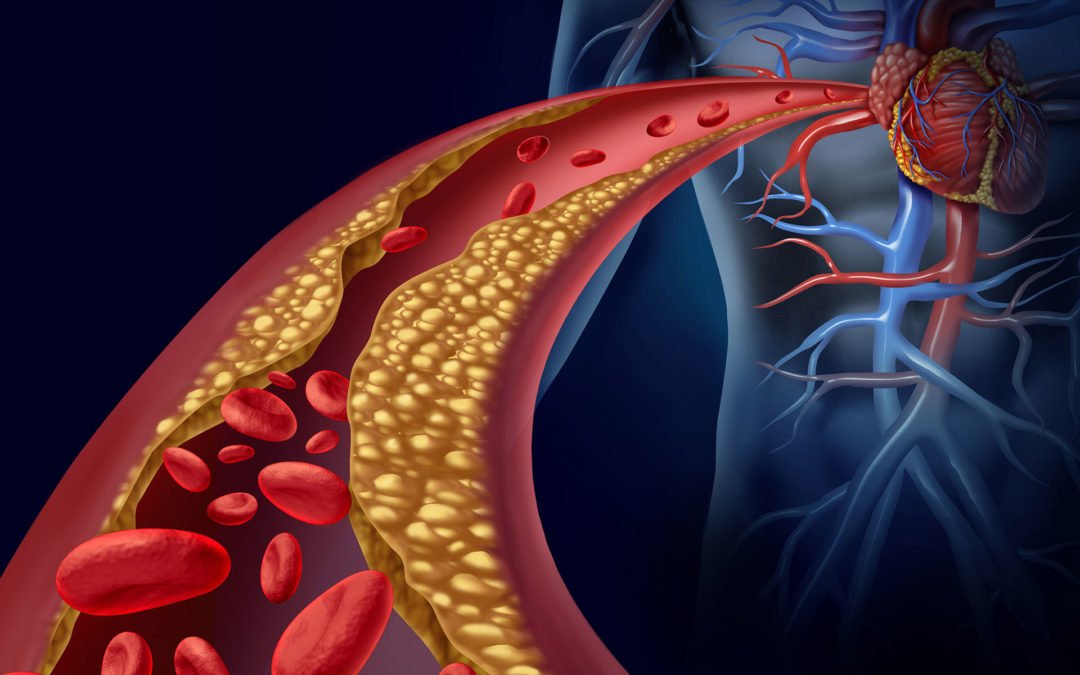
Cholesterol Levels Rise After 40 Due to Hormonal Changes, Metabolism, and Lifestyle
Summary
Cholesterol levels can rise after 40 as metabolism slows, physical activity declines, and hormonal changes affect LDL and HDL. Regular lipid, blood pressure, and blood sugar checks are recommended to reduce the risk of heart attack and stroke.
Key Points
- Metabolism slows after 40, which can increase LDL and triglycerides while reducing the body’s ability to burn calories and remove excess cholesterol.
- Hormonal changes, including lower estrogen after menopause and reduced testosterone in men, can worsen lipid profiles.
- Reduced physical activity and abdominal weight gain further raise the risk of high cholesterol and heart disease.
- Regular tests such as lipid profile, blood pressure, fasting sugar, HbA1c, and waist measurement are advised after 40.