Why every school should be a living laboratory: Rethinking environmental education
Summary
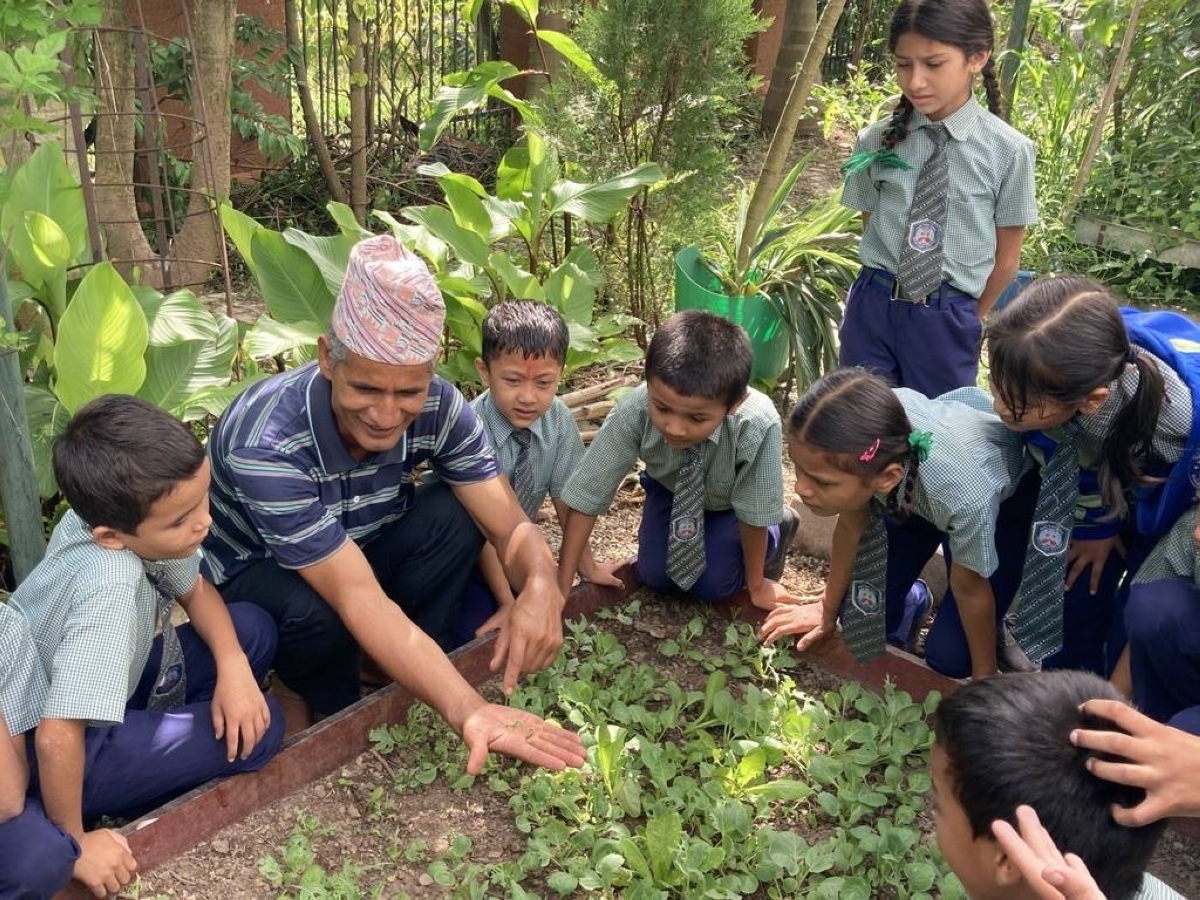
Kopila Valley School in Surkhet has turned its campus into a living laboratory, using gardening, renewable energy, rainwater harvesting and waste recycling to teach environmental care and food security. The school says hands-on learning with local farmers and community partners helps students build practical skills, scientific curiosity and resilience.
Key Points
- Kopila Valley School in Surkhet runs an integrated sustainability program that uses the whole campus as a hands-on learning environment.
- Students learn through gardening, renewable energy systems, rainwater harvesting, wastewater recycling and other real-world environmental practices.
- The school’s partnerships with local farmers and a cooperative support research on climate-resilient agriculture, including comparisons with the System of Rice Intensification.
- The article argues that schools can become living laboratories to strengthen environmental education and prepare students for future challenges.