Opinion | One year of visceral adrenaline rush
Summary
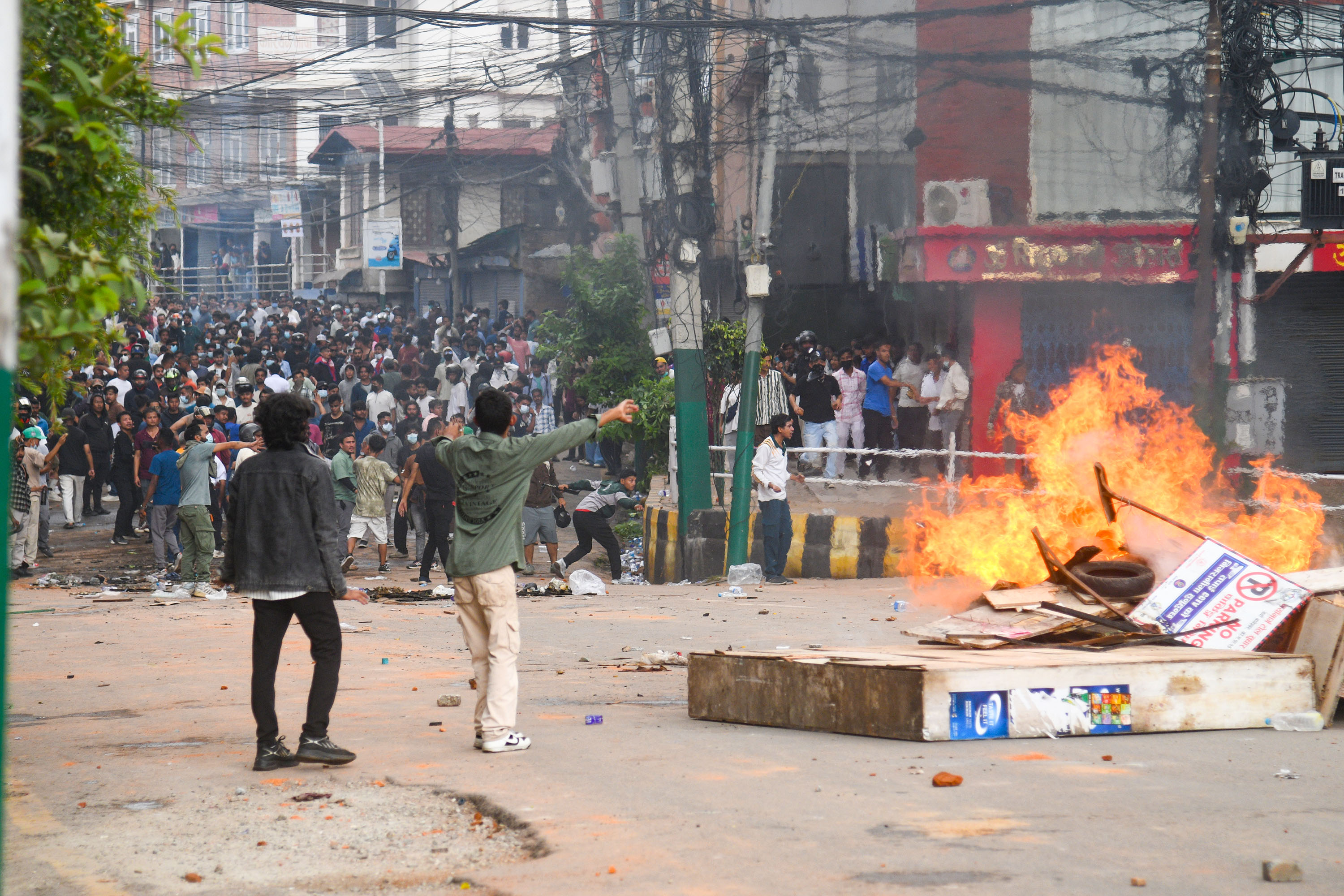
Nepal’s deadliest unrest since the fall of the monarchy left 77 dead, torched key state institutions and forced KP Sharma Oli to resign before Sushila Karki became the country’s first woman prime minister in an interim government. The article reflects on the political upheaval, the rise of a youth-led movement and the uncertain test facing Balen Shah’s new politics.
Key Points
- Nepal’s September unrest killed 77 people, caused massive physical losses and destroyed major institutions including Parliament and the Supreme Court.
- KP Sharma Oli resigned, and Sushila Karki became Nepal’s first woman prime minister in an interim setup that led to elections.
- The article says the youth-led movement energized a generation but remained unclear on what political system should replace the old order.
- It also questions whether the new government can maintain public hope while confronting corruption, unrest-related losses and lingering social fault lines.