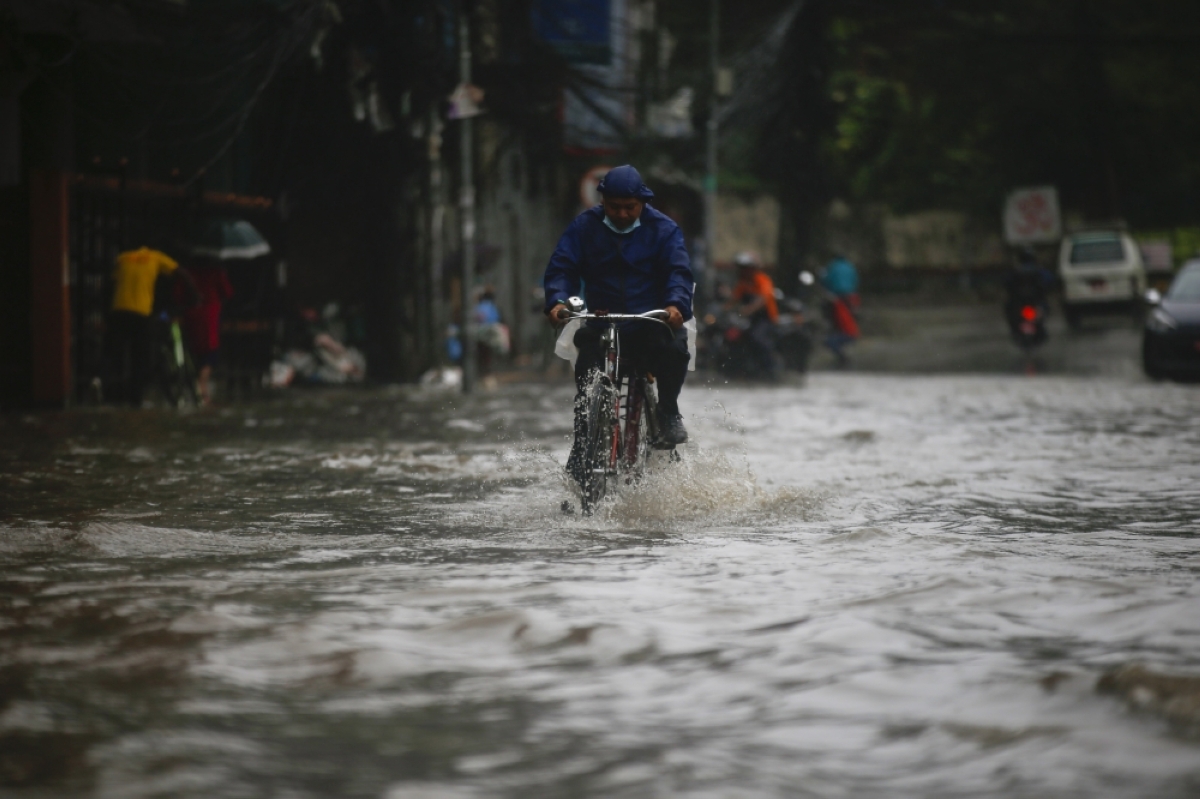
Kathmandu once knew how to live with rain: Can it learn again?
Summary
Kathmandu’s recurring monsoon flooding is driven less by too much rain than by rapid urbanisation, lost green spaces, and an overloaded drainage system. The city’s traditional water systems and sponge-city ideas could help restore its ability to absorb and hold rainwater.
Key Points
- Urban flooding in Kathmandu is worsened by impermeable surfaces, encroached rivers, and drainage systems that have not kept pace with city growth.
- Climate change is intensifying short bursts of heavy rainfall, acting as a risk multiplier for the valley’s existing urban conditions.
- Traditional features such as ponds, rajkulos, hitis, and open fields once helped manage water naturally and recharge groundwater.
- The article argues that Kathmandu needs sponge-city measures that absorb, store, slow, and reuse rainwater instead of relying only on bigger drains.