Nepal wrote the rules for climate adaptation; its rivers never got the memo
Summary
Nepal’s climate adaptation policy promised to put most international funding in the hands of local communities, but communities in the Karnali basin say decisions remain centralized and exclusionary. The gap is especially stark in Kalikot, Dailekh and Bajura, where water shortages, landslides, erosion and flood risks are worsening livelihoods.
Key Points
- Residents in Kalikot, Dailekh and Bajura face water shortages, landslides, erosion and shifting river patterns tied to climate and river-basin changes.
- Nepal’s adaptation policy promised 80 percent of international climate finance for local communities, but funding and decision-making remain concentrated away from them.
- Households have adapted through crop diversification, shared irrigation, labour-sharing and traditional medicine, while formal programs often exclude women, Dalits and landless families from planning.
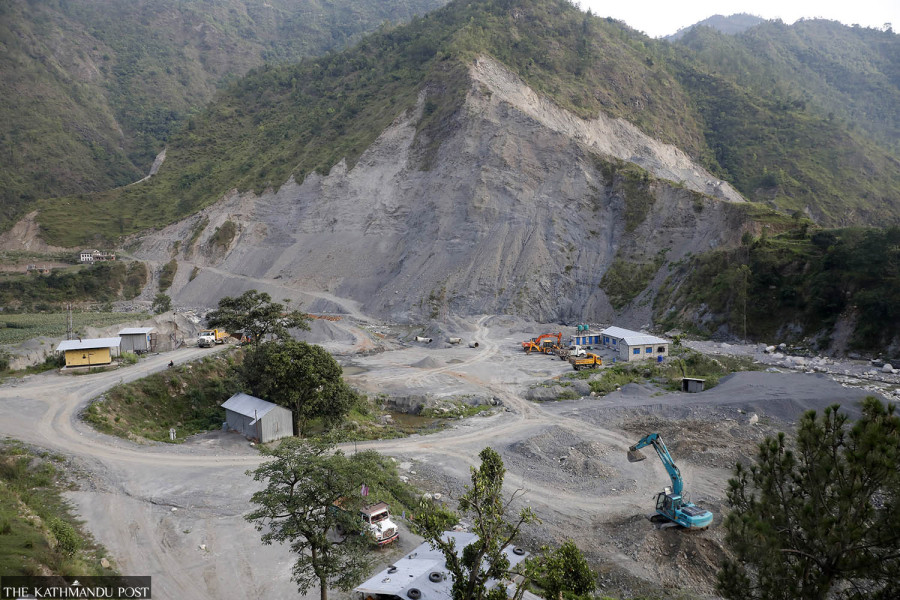
- Large hydropower projects such as Upper Karnali and West Seti are moving ahead with limited climate-risk assessment and weak attention to downstream vulnerability.