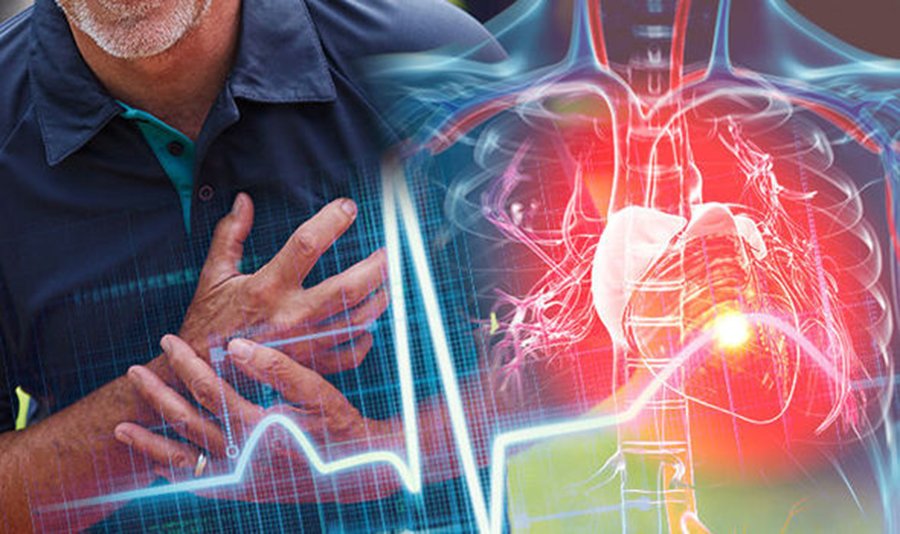
Heart Attack: Symptoms, Treatment, and Prevention
Summary
Heart attack can be fatal if it is not identified and treated quickly. The article explains its symptoms, emergency response, golden-hour treatment, and simple lifestyle steps that can reduce the risk.
Key Points
- A heart attack happens when the artery supplying blood to the heart becomes blocked, cutting off oxygen and nutrients.
- Common symptoms include severe chest pain, heaviness or burning in the chest, pain spreading to the neck or left arm, sweating, and nausea.
- Immediate ECG, aspirin or statin treatment, and rapid transfer to a hospital with angioplasty facilities are recommended.
- Healthy eating, daily exercise, quitting tobacco, stress control, and regular health checks can reduce risk significantly.